
Nowadays, children should deal with stress related to education, technology and emotional issues in addition to those challenges experienced by their previous generations. Although school education is focused on achievements, parents desire to bring up responsible, compassionate and self-confident individuals as well. That is where the role of Bhagavad Gita for Kids becomes crucial.
The Top 10 Life Lessons from the Bhagavad Gita include not only spiritual aspects but also show people how to take proper decisions, stay in balance and acquire morality. These lessons remain relevant for today as much as several thousands years ago.
Now let us discuss the Bhagavad Gita lessons for life which would be useful for all people in their everyday life.
1. Always Do Your Duty with Dedication
The moral message of the Bhagavad Gita is to fulfill one’s duties in earnestness without worrying too much about the outcome. This aligns closely with modern cognitive research on flow state and productivity, as discussed by publications like Psychology Today.
The students must concentrate on their studies without being worried about the outcome of exams, while the parents need to appreciate effort and not perfection.
Life Lesson: Success is a product of hard work, not stress.
2. Believe in Yourself
However, before joining the battle, Arjuna had lost confidence in himself, but by God Krishna he realized the strength within himself. Self-doubts creep into the minds of every child while taking the test or competition or doing something different.
The role of parents in this regard is that they should help in building up the self-confidence of their children and not compare them with other children.
Life Lesson: One of the greatest life lessons of Bhagavad Gita is self-confidence is one of the strongest foundations for lifelong success.

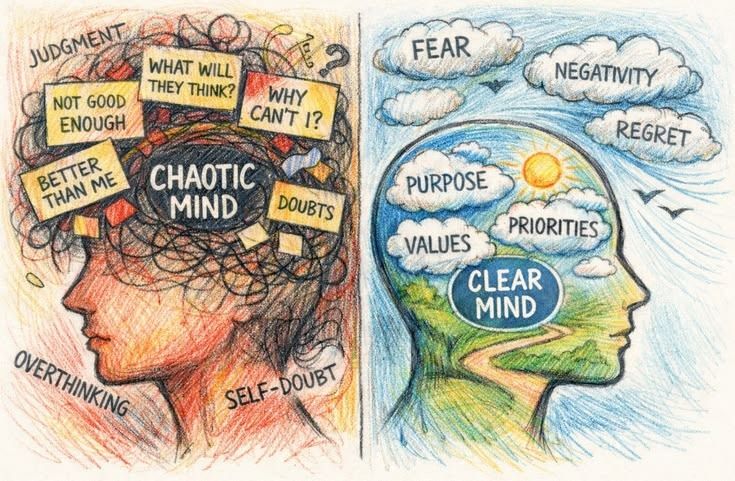
3. Control Your Mind Before It Controls You
The Bhagavad Gita says that the mind can be both our greatest friend and our biggest enemy.
There are so many things that divert children's attention through various gadgets and social media. Self-control helps in improving concentration, emotional quotient, and decision making (according to studies on executive function by the Harvard Center on the Developing Child).
Simple techniques like meditation, gratitude, and deep breathing can help improve the concentration skills of children. Practicing these acts as excellent stress management techniques for students to balance educational load.
4. Treat Everyone with Kindness and Respect
"The mind can be our best friend or worst foe" according to the Bhagavad Gita.
In today's generation of children, there are plenty of distractions for them through the means of screen time and social networking websites.
Self-control enables one to be more focused, emotionally intelligent, and make sound decisions.
Some simple ways of improving the skills of focusing include meditation, gratitude, and deep breathing.
5. Learn from Failure Instead of Fearing It
In reality, failure is not the opposite of success; failure is simply an interim stage in the process.
Perhaps one of the most important lessons of the Bhagavad Gita is that our failures help us gain wisdom.
The parents have to give up the practice of blaming their children for mistakes and, instead, urge them to go ahead.

6. Stay Calm During Difficult Situations
Life comes with surprises for all of us. The case of Bhagavad Gita provides information about how one can maintain emotional stability whether he succeeds or fails.
The children who will have developed the skill of staying calm under any challenging situation will do well academically and socially. This emotional regulation is key to preventing students from feeling lonely or isolated even when surrounded by peers.
Thinking positively, maintaining a journal and meditating are useful things when developing emotional resilience.

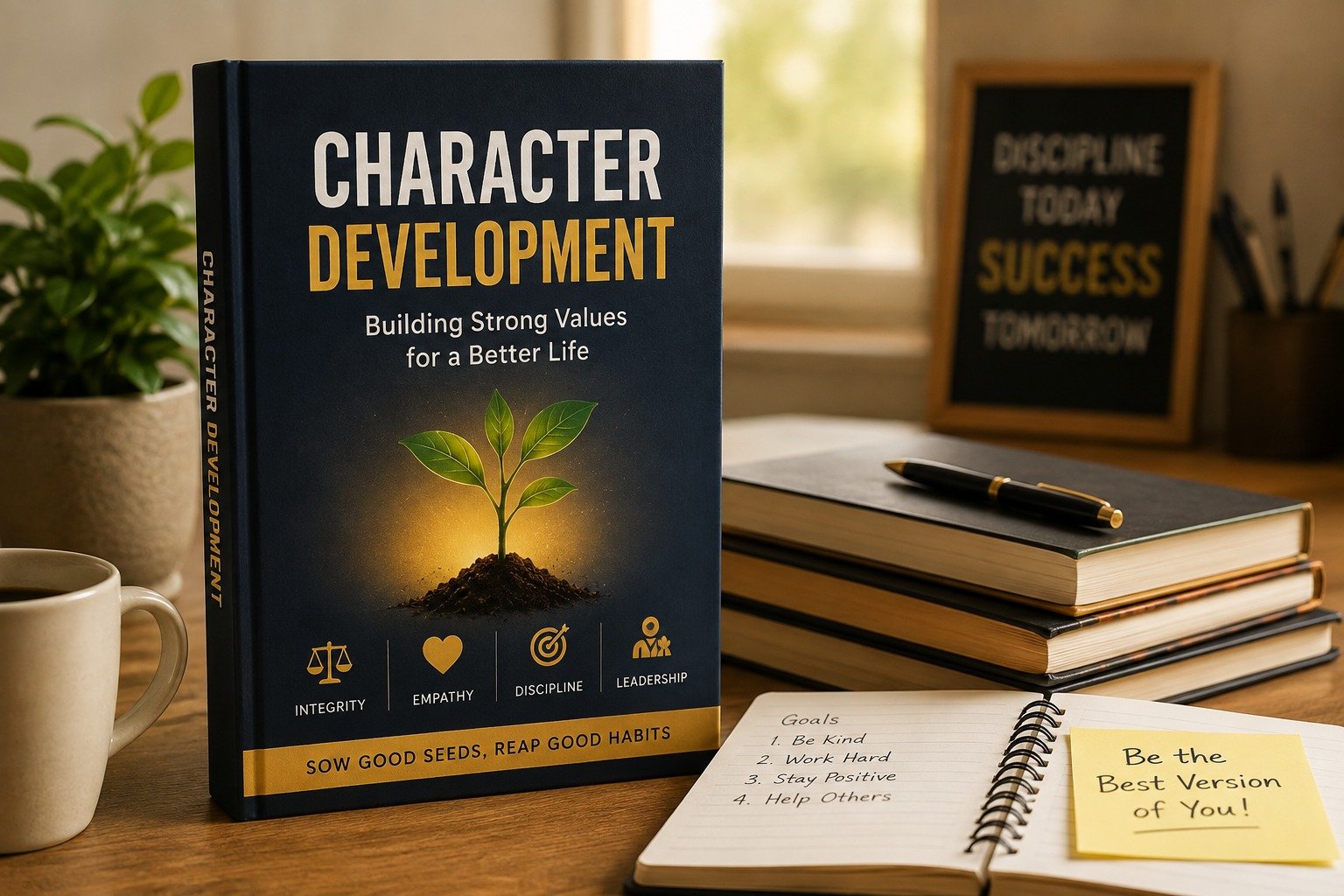
7. Develop Good Character Before Chasing Success
However, one should keep in mind the fact that excellence in academics is not the ultimate form of excellence since character stays with one forever.
Honesty, discipline, gratitude, patience, and duty form the real traits of a successful person.
Such characteristics can be imbued in a person through the efforts of parents and teachers in discussion and value education activities.
Parents and teachers can reinforce these values through meaningful conversations, role modeling, and engaging value education activities that encourage children to practice kindness, teamwork, and integrity in daily life. Learn more about Dinesh Gupta's work on our About Us page, or feel free to contact us to bring these sessions to your school.
8. Every Action Has Consequences
Karma means that whatever one does always results in something happening.
Children must be taught that being truthful, compassionate, and responsible will have good results but not being responsible will result in bad outcomes.
This does not frighten the children, but makes them more responsible.
9. Keep Learning Throughout Life
Learning and personal improvement are the two traits that the Bhagavad Gita emphasizes.
Some of these qualities include curiosity, humility, and open-mindedness.
These parents could instill curiosity in their kids by encouraging them to read books and question everything that surrounds them.
10. Live with Purpose
There are several things that the parents can consider when trying to provide the best gifts for their children, including helping them understand the concept of having purpose in life.
The purpose of life goes beyond just the choice of a profession in life but entails leading a life based on values and which positively impacts both the individuals and the society at large.
This is the key lesson that children ought to learn from the teachings of Bhagavad Gita.
Of all the life lessons from Bhagavad Gita, this is one of the most inspirational ones.
How to Apply the Top 10 Life Lessons from the Bhagavad Gita in Daily Life
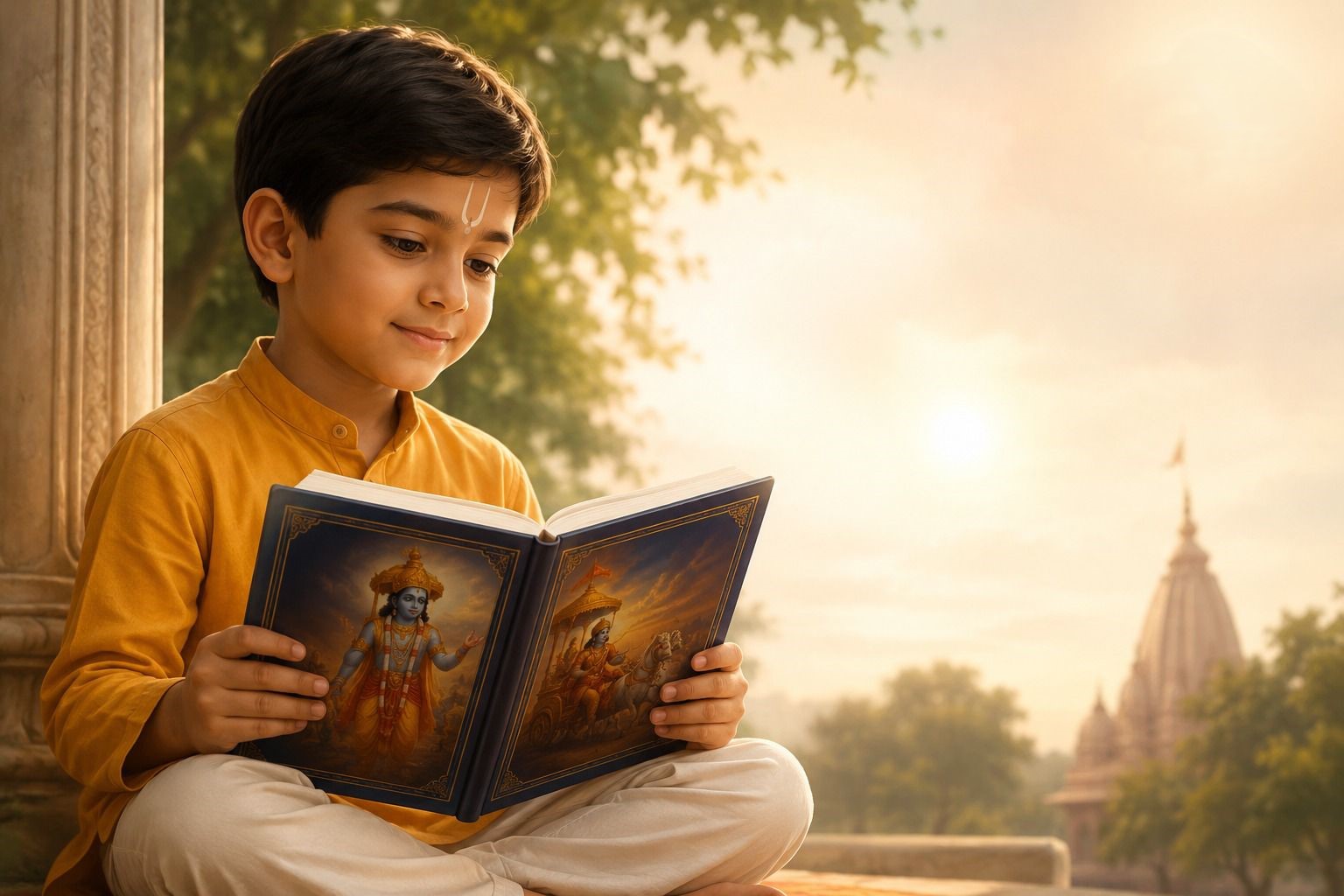
These values are instilled in children through stories and practical methods rather than through sermons. You can find excellent books, stories, and activities on the official Bhagvad Gita for Kids portal.
There are certain ways to teach these values, which include stories with moral lessons, discussion with family members, stories, plays, and actions that relate ancient wisdom to modern times.
Storytelling to them at bedtime, giving real-life examples, and appreciating them will help them to remember their teachings.
Some simple practices in daily life could lead to lifelong values.
Benefits of Reading the Bhagavad Gita for Students and Parents
By reading Bhagavad Gita as a family, we can have talks on subjects like courage, honesty, responsibility, and compassion.
As a student, it builds up confidence and emotional strength.
As a parent, it gives us knowledge on developing characters while achieving academic success.
Eternal truth from the Gita will make our family ties stronger.
Conclusion
These Top 10 Life Lessons from the Bhagavad Gita continue to make people live happily and meaningfully. There are some useful lessons on how one must control his emotions, build confidence and take decisions wisely.
Children will understand how to be persistent and focused and trust themselves. There are some recommendations for parents, which will allow them to bring up good children.
These eternal values can be transferred to the next generation through stories and situations from daily life. According to the Bhagavad Gita, the essence of education lies not only in the acquisition of knowledge, but in the formation of oneself.
Children educated with wisdom and humanity will not only succeed in learning, but in life as well.










0 Comments