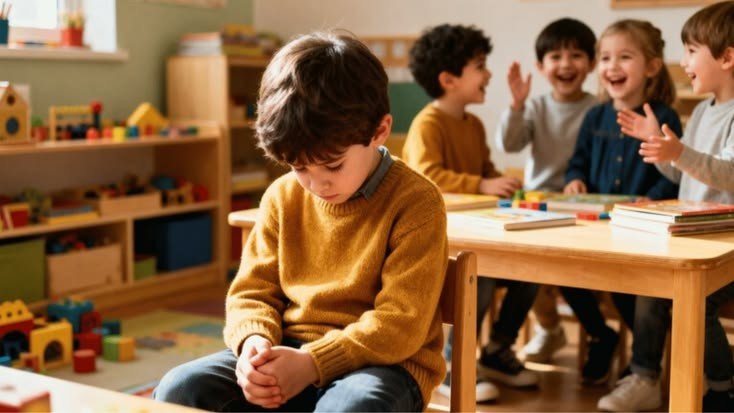
When a child feels different from classmates, it’s awful to watch. Your child comes home from school a little smaller than they left. The tiffin’s untouched. “How was your day?” gets a shrug, and you’re standing in the kitchen wondering what on earth to say.
If that’s you, hello. You’re in the right place. There’s no quick fix, and we won’t pretend otherwise. But there’s a lot you can do, and most of it is free and happens at home.
We’ll go through why this happens, how to tell a bad week from something bigger, what to say when your child finally talks, and when to call the school. If you’d like the wider picture first, our emotional wellness for students page covers it.
Why Does My Child Feel Different From Classmates?
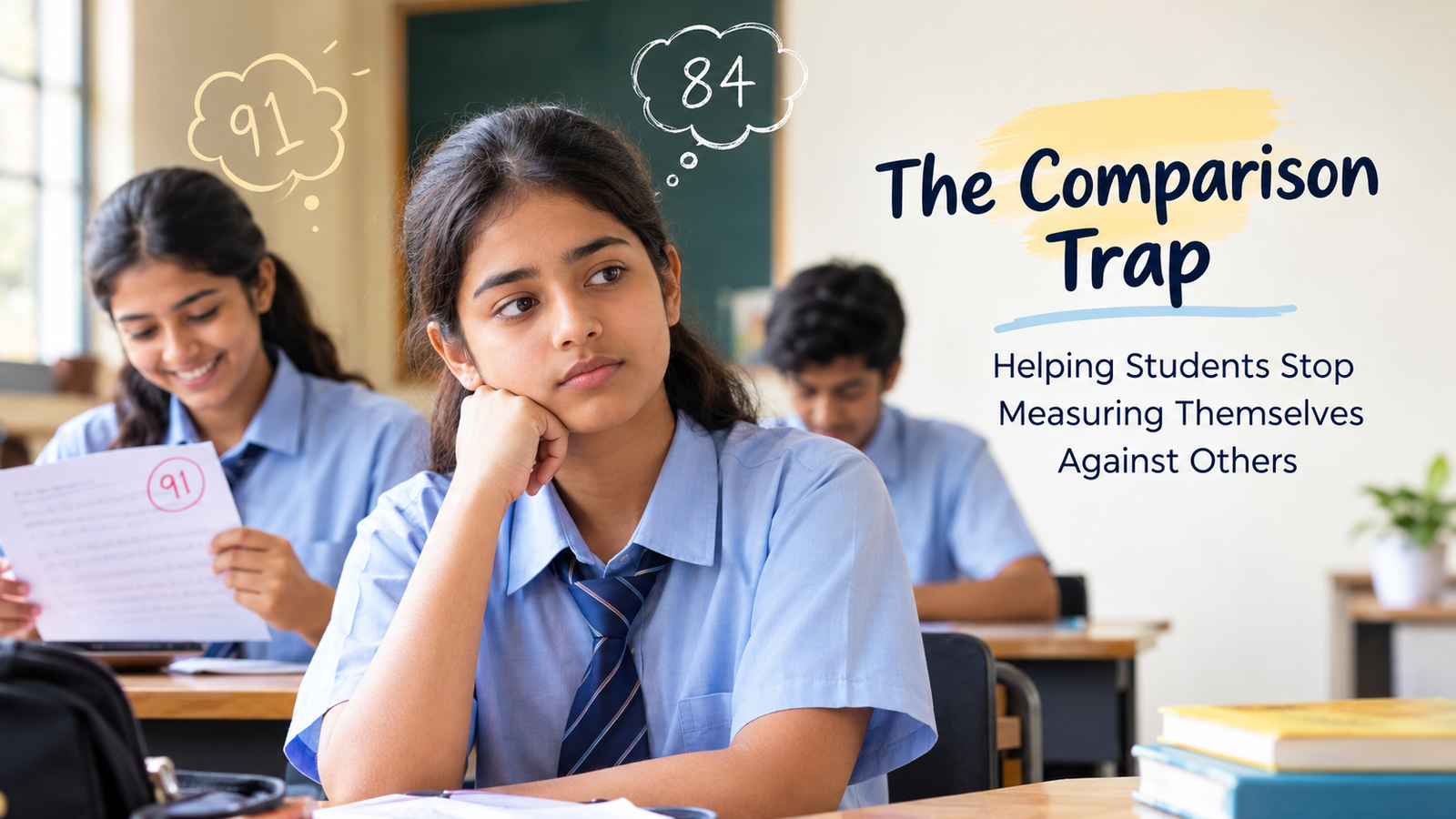
Short answer: kids notice everything. The boy who joined in October. The girl who still reads slowly. The one with the unusual lunchbox, the stammer, the obsession with insects, the height. It doesn’t take much, and it’s rarely one thing. The reasons a child feels different from classmates are as varied as children are.
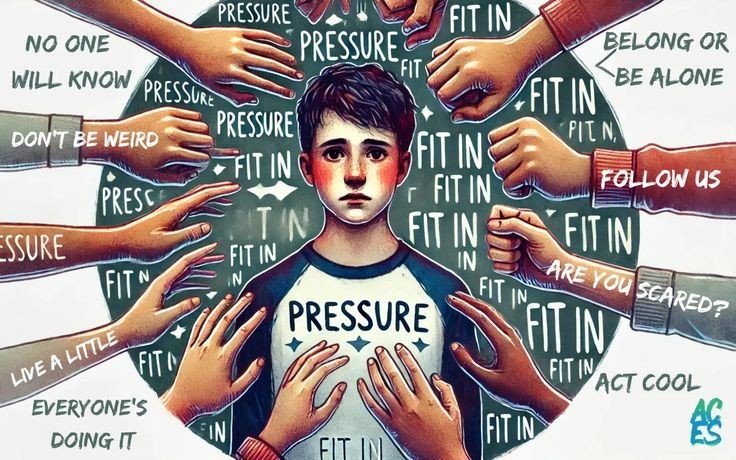
Here’s a bit of research that might ease your mind. The American Academy of Pediatrics, on HealthyChildren.org, says peer rejection can be a group reaction to someone they see as different. In other words, it’s often about how the group is behaving, not about what’s wrong with your child. Social exclusion among children also tends to be sneaky. Nobody shouts. A kid simply stops getting picked, and the adults in the room don’t see it happen.
Sometimes there’s more going on. CHADD, a US ADHD organisation, reports that peer problems affect more than half of school-age children with ADHD, and says social anxiety or a learning difficulty can look much the same. So if your child feels different from classmates and it’s gone on for months, it’s worth wondering what’s underneath.
Signs Your Child Feels Left Out at School
Every kid has a lonely Tuesday now and then. That’s normal, and it’s not what we’re worried about. What we’re worried about is a pattern, plus a shift in your child’s mood. Here’s how the two compare.
| A rough patch | A pattern worth acting on |
|---|---|
| Says “nobody played with me” now and then | Says it most weeks, or stops talking about school altogether |
| Gets invited to some birthdays and outings | Invitations dry up, or they hear about parties afterwards |
| Bounces back by evening | Stomachaches, dread on Sunday night, asks to stay home |
| Mentions a fight with a friend | Stops naming any friends |
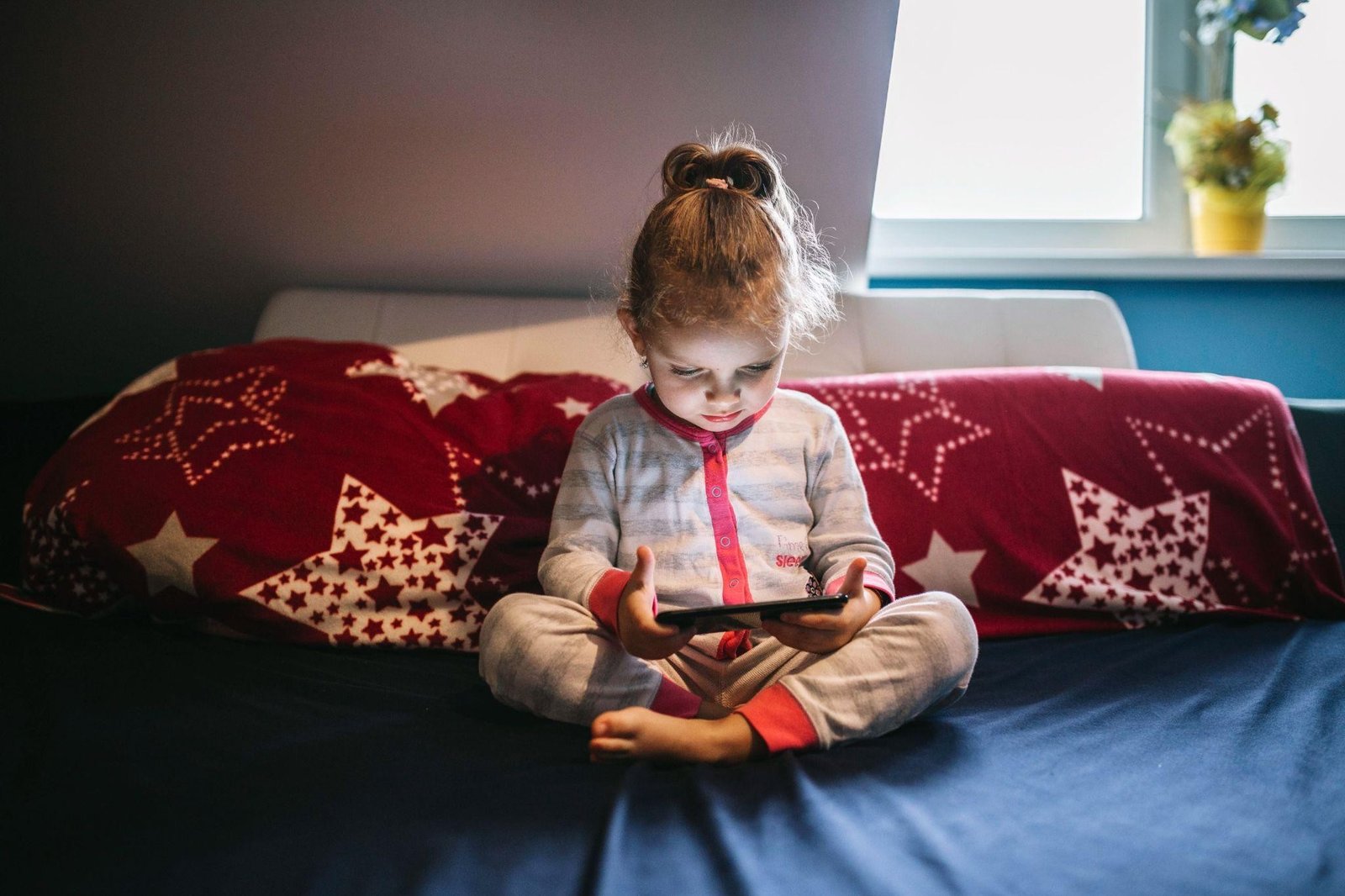
The thing is, children don’t announce it. They hint. A child who feels left out might get a “headache” every Monday, stop mentioning their old best friend, or ask to quit the class they used to love. The signs a child is being excluded at school can be that small, and that easy to put down to being tired. Don’t forget the phone either. Getting dropped from a class group chat stings just as much as an empty seat. HealthyChildren.org suggests a family media plan with clear limits, and knowing which apps your child uses.
How to Help a Child Who Feels Different
Here’s the order we’d go in when your child feels different from classmates: listen, find one friend, then loop in the school. It sounds almost too simple. It usually works better than a big plan.
Listen Without Judging
Listening sounds easy. It isn’t. Your child tells you something painful and every part of you wants to jump in with a solution, a phone call, a strongly worded message. Hold off. When your child feels left out, being heard matters more than being fixed.
Ask gently. “Who was mean to you?” feels like being cross-examined. “What was lunch like today?” is easier to answer. And then, hardest of all, wait.
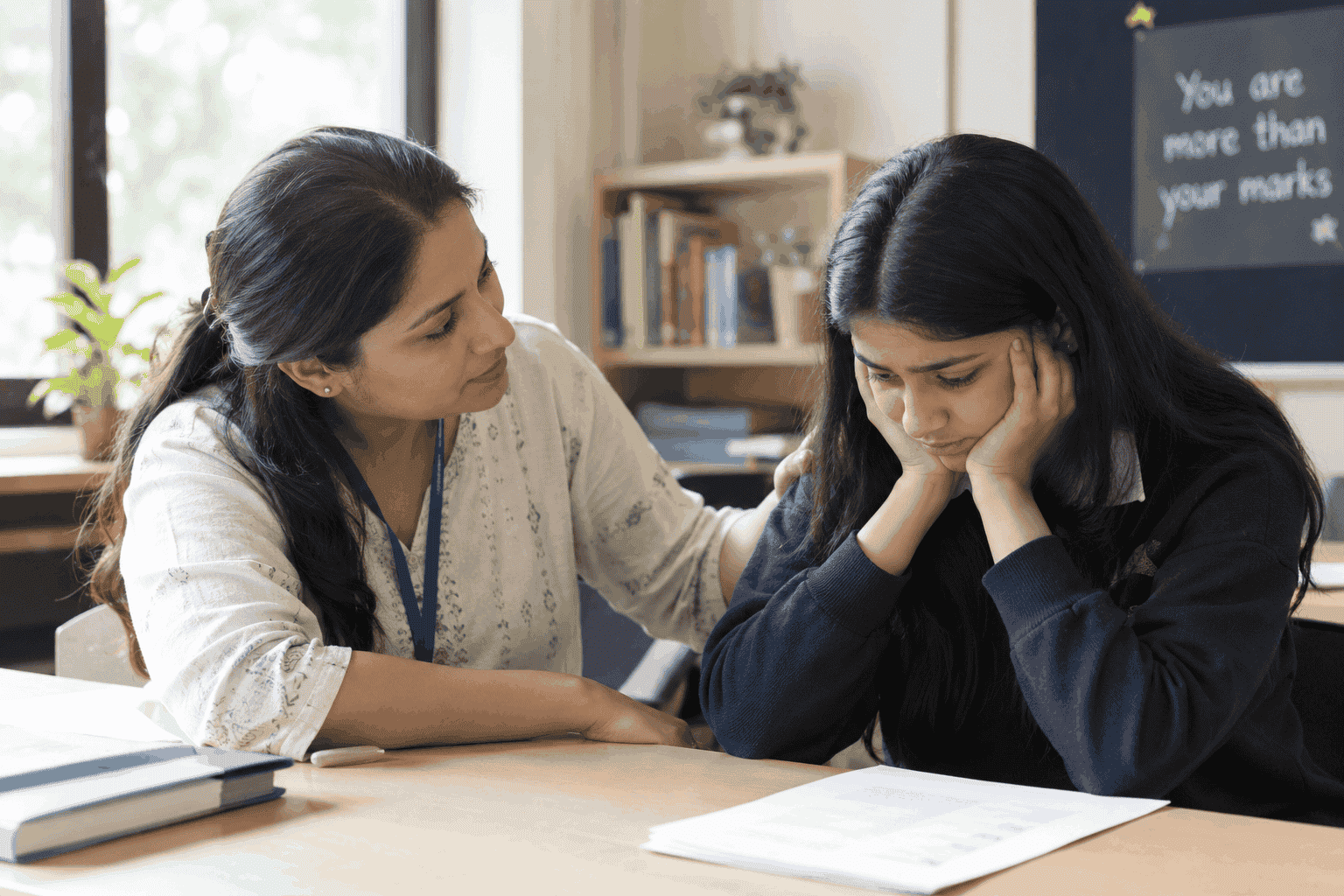
The AAP suggests letting your child know you understand how hard this is and that you’ll work out ways to make it better together. You don’t need fancy words. “That sounds lonely. I’m glad you told me.” Done. Advice can wait until tomorrow.
Build Confidence and Encourage Friendships
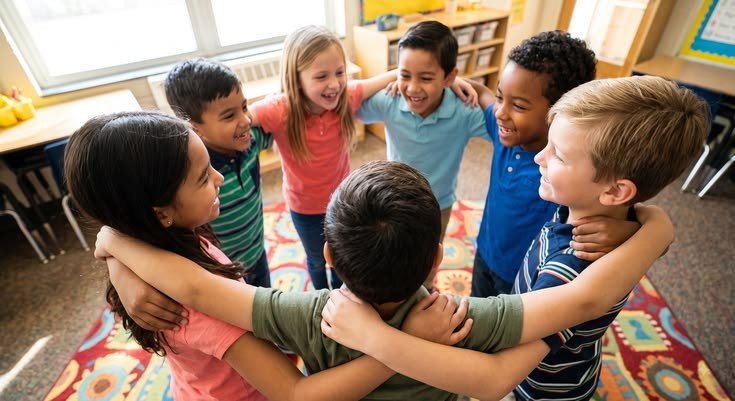
Parents often ask how to help a child fit in at school. Our answer: aim for one friend, not twenty. Scholastic Parents suggests finding a classmate who shares your child’s interests and inviting them over, since kids act differently away from a crowd. Keep it simple. Carrom on the balcony. Cricket in the society compound. Snacks. Then step back.
Then think about what your child is good at. A child who feels different from classmates in class might be the best drawer at their Saturday art club, or the one who never gives up at football. Tell them you’ve noticed. Scholastic points out that kids who know their strengths cope better when someone says something mean. If nerves are the issue, slow breathing can help, and our mindfulness activities for children are easy to try at home.
Helping Your Child Feel a Sense of Belonging at School
Belonging is a process, not an instant event. If you’ve read up on helping a child belong at school, you’ve probably come across dozens of techniques. In truth, only a handful of things really make a child feel they belong somewhere: a teacher who knows their name, a classroom job (collecting notebooks, for instance), and a regular activity where they’re grouped with the same children time and again. Ask your child’s teacher for ideas.
The home front matters too, and it’s where to look if you want to know how to encourage a sense of belonging in a child at school. Try saying “Can I join you?” in the mirror a few times before bed. Applaud your child’s efforts, no matter how small or misguided. And always remember why it matters: when a child feels out of place among their peers, the aim isn’t to make them one of the pack. It’s to give them one place where they know they’re always welcome.
When Should Parents Talk to the School?
If your child feels excluded on a regular basis, the AAP says you should book a meeting with the teacher. Before the meeting, write down the relevant details: dates, events and who was present. It sounds a little formal, but a brief written record will carry much more weight than “he’s been a bit mardy lately”.
A good email to send might be:
Dear Ms Kapoor, Rohan has been coming home in quite a subdued state lately. He has told us that he has not been joining in with the activities at lunchtime as he is often left sitting on his own. He has also mentioned that he is rarely chosen for group activities during class. We are concerned and would like to know if you have noticed similar behaviour and if there is anything we can do to help him at school and home. Would it be possible to arrange a meeting with you this week?
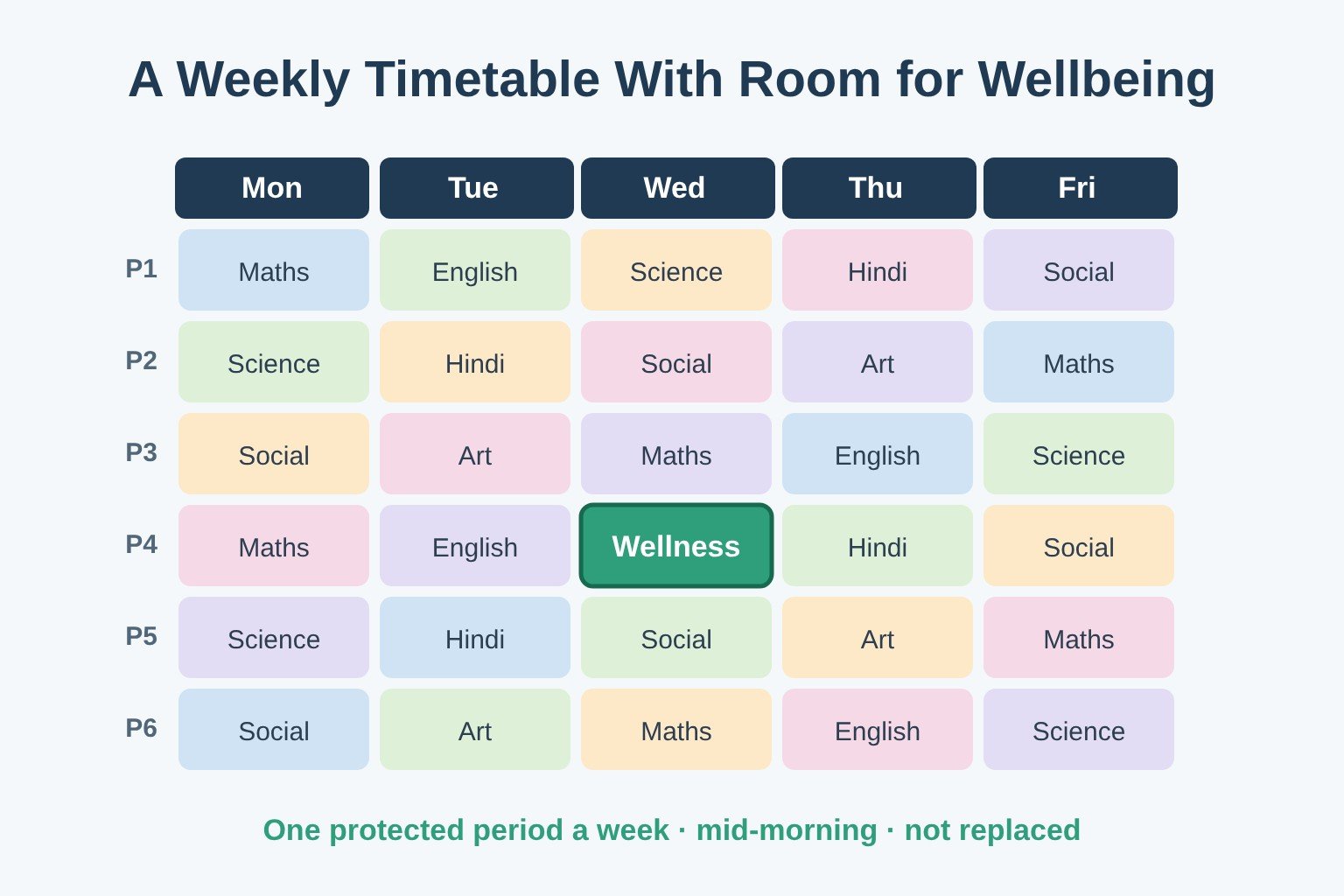
Remember to approach the meeting as a team, not as an adversary. Ask the teacher what they have observed, and whether any changes to how your child is seated or grouped might help. Ask if there is a counsellor available, as some schools run student wellness programmes that can tackle things like school isolation. Always ask what support they can give and what is available to you.
When to Seek Professional Support
If things don’t get better, the AAP suggests talking to your child’s pediatrician, who knows how they’ve developed over the years. A school counsellor or child psychologist can also help, especially if your child is sad for weeks at a time, refuses to go to school, or starts sleeping and eating differently. And if your child ever talks about hurting themselves, call a doctor or a crisis helpline straight away.
Anxiety, ADHD and learning difficulties can all lie behind peer problems. CHADD notes that treating the real cause can improve friendships by itself. A professional can help you work out whether your child feels different from classmates because they need some extra support, or simply because they’re a bit of an original.
Your Next Step
Tonight, try just one thing. Ask, “Who did you sit with today?” and then wait, longer than feels comfortable. A child who feels different from classmates doesn’t need you to have it all sorted by Friday. They need to know you’ve noticed, and that you’re not going anywhere. When you’re ready for more, our emotional wellness for students resources are a good next stop, or you can contact us about a session for your school.















0 Comments