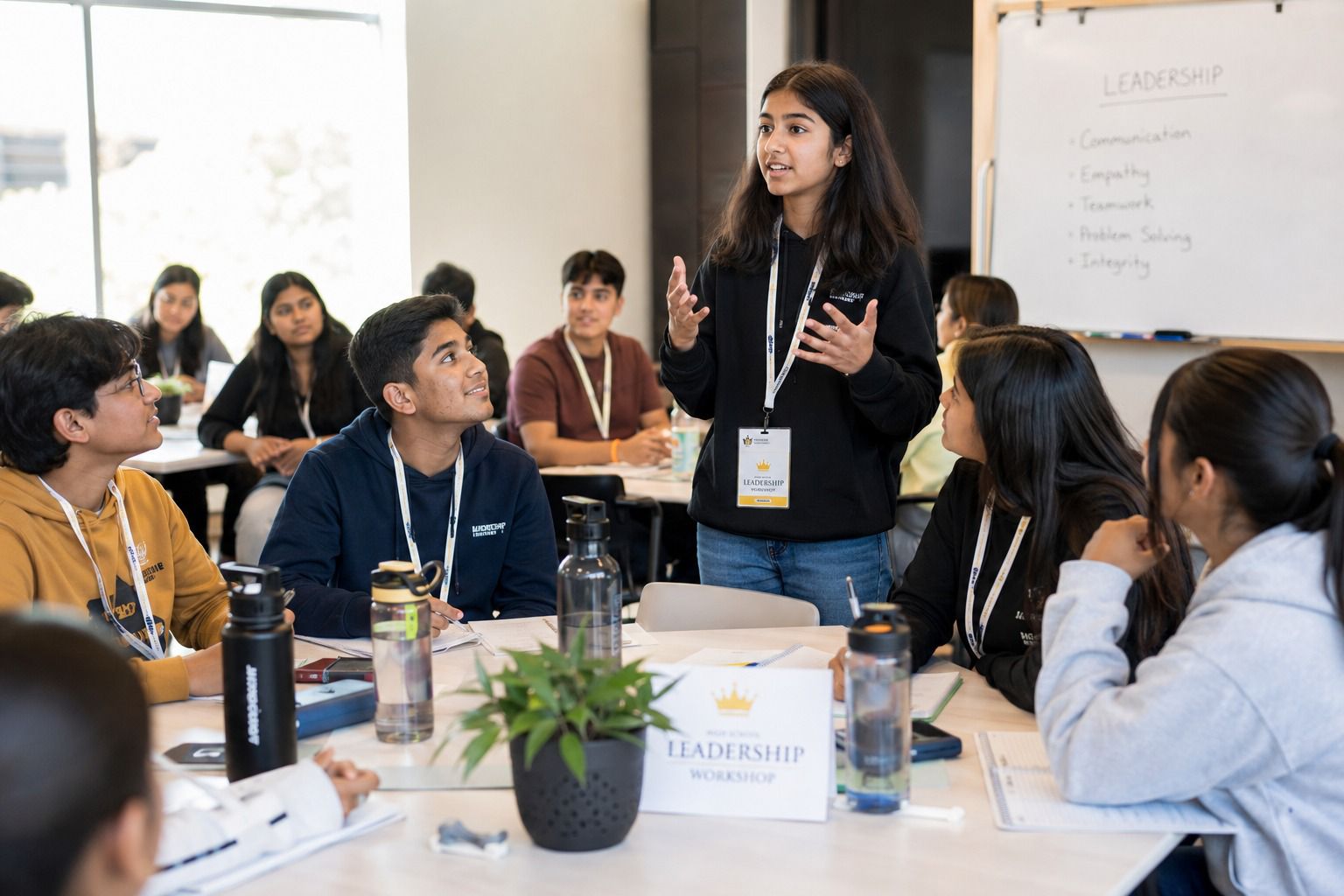
A degree used to be enough. Not anymore. Why youth empowerment workshops are important for career success is a question more parents, teachers, and students are asking as hiring managers admit they reject sharp resumes because the candidate can't hold a conversation, handle feedback, or make a decision under pressure.
Recent workforce research keeps pointing to the same gap: students graduate with subject knowledge but without the human skills that actually get them hired. That gap is exactly what youth empowerment workshops are built to close.
This guide breaks down what these workshops actually do, which skills they build, how they compare to regular classroom learning, and how to pick a program that's worth your time and money. If you're a student, parent, teacher, or school administrator trying to figure out whether this is worth the investment, you'll have your answer by the end.
What Is a Youth Empowerment Workshop? A youth empowerment workshop is a structured, hands-on training program designed to help students and young adults build leadership, communication, confidence, and decision-making skills alongside their academic education - preparing them for real-world career and life challenges.
Why Youth Empowerment Workshops Matter Today
The job market has changed faster than most school syllabi have. Automation now handles routine technical tasks, so employers increasingly hire for what machines can't replicate: judgment, communication, and adaptability.
The World Economic Forum has repeatedly flagged skills like critical thinking, leadership, and resilience as top priorities for the future workforce (see their Future of Jobs Report). Meanwhile, many students still spend most of their school years memorizing content for exams rather than practicing how to lead a team or handle rejection - which is why proactive exam stress management is so critical.
The Confidence Gap Nobody Talks About
Plenty of high-achieving students freeze during interviews or group discussions, not because they lack knowledge, but because they've never practiced speaking up in a low-stakes environment. Confidence building workshops exist precisely to fix that before it becomes a costly career blind spot. Developing these communication skills also helps students manage daily academic pressure and anxiety effectively.
What Is a Youth Empowerment Workshop?
A youth empowerment workshop is a guided, activity-based program - usually run over a few days or weeks - that helps students develop leadership, communication, and life skills through real exercises rather than lectures.
Unlike a textbook chapter, these programs use role-play, group challenges, debates, and mentorship to build abilities that are hard to test on paper but easy to spot in a job interview.
Most quality programs include:
- Structured leadership development activities
- Communication and public speaking practice
- Group problem-solving challenges
- One-on-one or small-group mentorship
- Goal-setting and career-planning exercises
They're typically offered by schools, colleges, NGOs, and private training institutes, and are designed for students anywhere between middle school and early university years. These programs often align with other positive youth development programs and personality development initiatives that focus on building values and emotional strength in children.
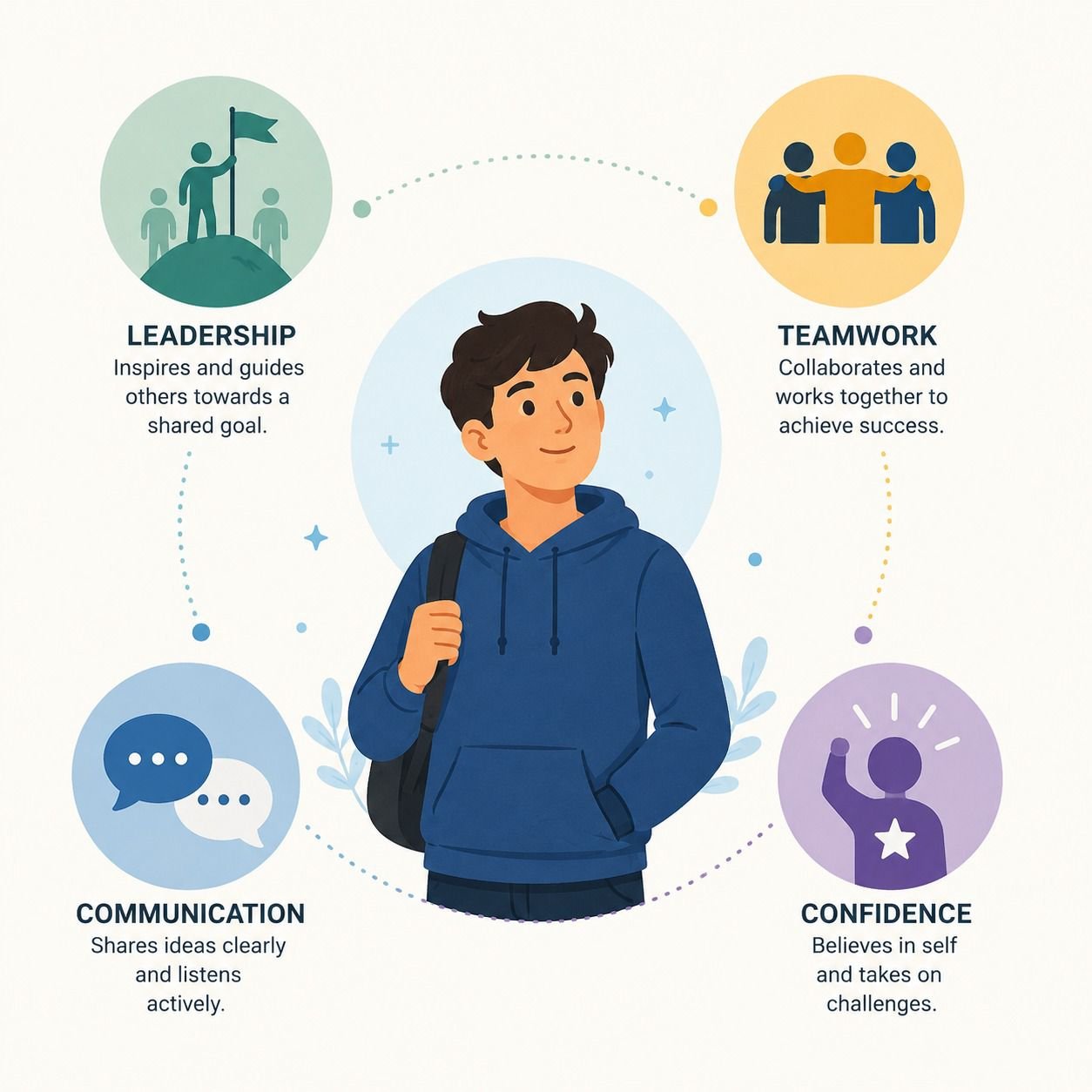
How Youth Empowerment Workshops Prepare Students for Career Success
This is where the real value shows up. Each workshop module typically targets a specific, employer-relevant skill. Here's how the pieces fit together.
Leadership Skills
Students learn to take initiative, delegate tasks, and guide a group toward a shared goal - usually through simulated projects or team challenges. Leadership development doesn't require a title; workshops teach students to lead from any position, which is exactly what employers want in junior hires.
Communication Skills
Clear communication skills for students are built through structured discussions, presentations, and peer feedback sessions. Students practice explaining ideas simply, listening actively, and adjusting their tone for different audiences.
Confidence Building
Small wins - finishing a presentation, leading a discussion, receiving constructive feedback - compound quickly. Confidence building workshops create a safe space to fail, recover, and improve without real-world consequences.
Decision Making
Timed scenarios and case studies force students to weigh options and commit to a choice, then reflect on the outcome. This mirrors the kind of decision-making managers expect from entry-level employees.
Problem Solving
Group challenges with limited resources or time push students to think practically instead of theoretically, building problem-solving instincts that translate directly to workplace tasks.
Critical Thinking
Debate formats and case analysis train students to question assumptions, evaluate evidence, and form independent conclusions - a skill increasingly valued as employers push back against surface-level thinking.
Networking
Workshops often include mentor interactions and peer collaboration, giving students early, low-pressure practice at building professional relationships - a skill rarely taught directly in school.
Goal Setting
Students learn frameworks for setting realistic, measurable goals for academics and career planning, replacing vague ambitions with actionable steps.
Emotional Intelligence
Recognizing emotions - their own and others' - helps students handle conflict, feedback, and teamwork with more maturity, a quality employers consistently rank highly in new hires. Learning to regulate these emotions also prevents students from feeling lonely or isolated even when surrounded by peers.
Teamwork
Group-based exercises simulate real workplace collaboration, teaching students to manage disagreements, share credit, and rely on each other to hit a shared deadline.
Public Speaking
Repeated, structured practice in front of peers reduces stage fright over time, turning public speaking from a fear into a functional skill well before a student's first job interview.
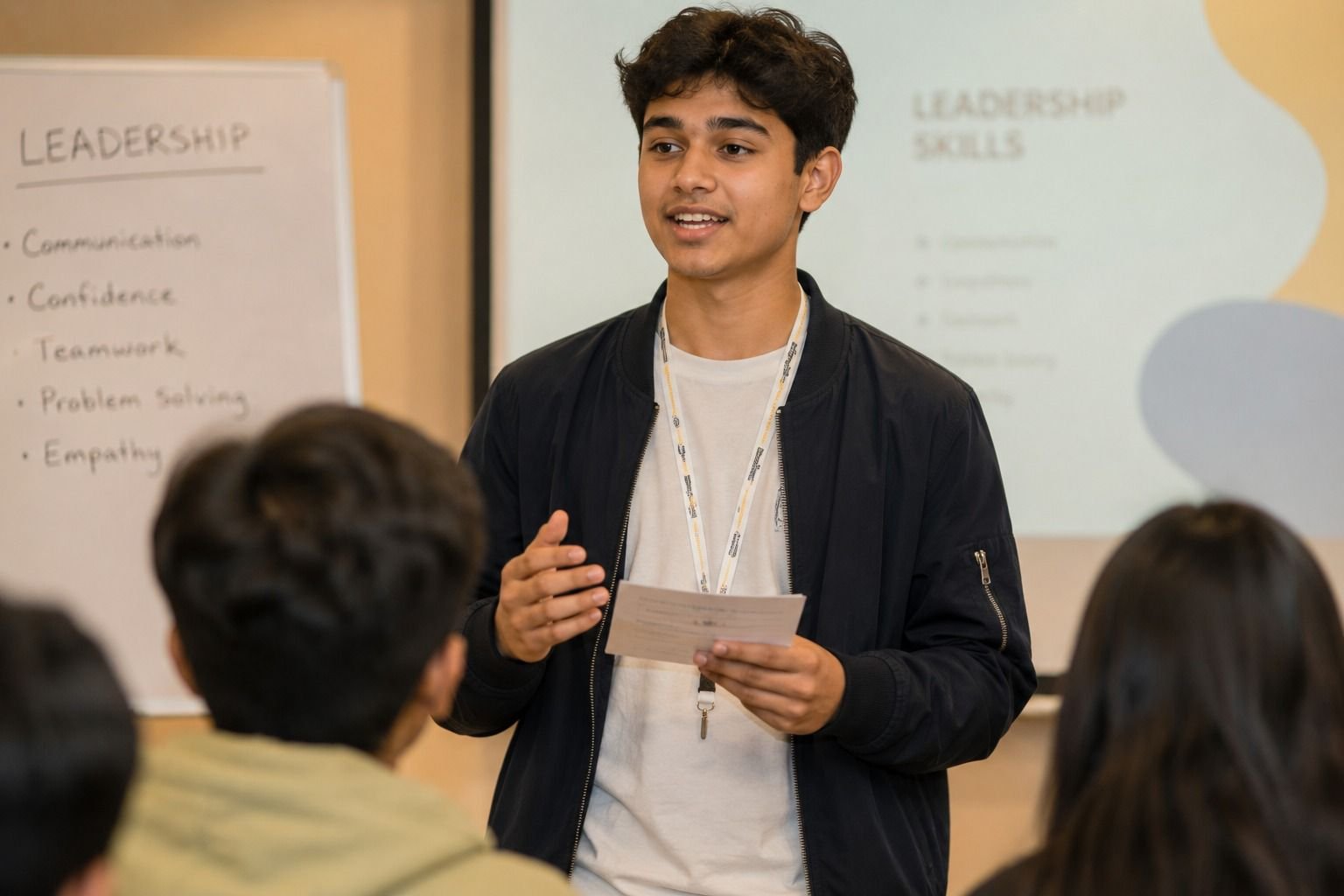
Benefits of Youth Empowerment Workshops
- 🎯 Builds career readiness skills before students enter the job market
- 💬 Strengthens communication and public speaking ability
- 🧠 Sharpens critical thinking and problem-solving
- 🤝 Improves teamwork and collaboration habits
- 🚀 Boosts self-confidence and self-motivation
- 📈 Provides real career planning and goal-setting frameworks
- 🌍 Encourages adaptability in changing environments
- 🏆 Improves employability skills for internships and first jobs
Skills Employers Look for in 2026
| Skill | Why It Matters | Built Through |
|---|---|---|
| Communication | Clarity reduces workplace errors and builds trust | Presentations, debates |
| Leadership | Needed even in junior, non-managerial roles | Group projects, mentorship |
| Adaptability | Roles and tools change faster than ever | Scenario-based challenges |
| Critical Thinking | Employers want independent problem-solvers | Case studies, discussions |
| Teamwork | Most work is cross-functional and collaborative | Group exercises |
| Emotional Intelligence | Reduces conflict, improves feedback handling | Reflection, peer review |
| Digital & Soft Skills Balance | Technical skill alone isn't enough anymore | Combined workshop modules |
Youth Empowerment Workshop vs Traditional Classroom Learning
| Aspect | Youth Empowerment Workshop | Traditional Classroom Learning |
|---|---|---|
| Focus | Soft skills, leadership, confidence | Academic content and exams |
| Format | Interactive, activity-based | Lecture-based |
| Feedback | Immediate, personalized | Delayed, grade-based |
| Real-world relevance | High - mirrors workplace scenarios | Moderate - theory-focused |
| Skill type | Practical and behavioral | Academic and theoretical |
| Outcome | Career and life readiness | Subject knowledge |
Neither replaces the other - they work best together. Academic learning builds knowledge; empowerment workshops build the ability to *use* that knowledge in real situations. Workshop for College Students
Real-Life Success Stories
Consider a common pattern seen across student development programs: a shy, academically strong student joins a weekend leadership workshop mainly because a teacher recommended it. Within a few sessions, structured public speaking practice and peer feedback start chipping away at the hesitation to speak up in class.
By the time college interviews or internship applications come around, that same student can walk into a room and explain their ideas clearly - a shift that often surprises parents more than the student.
Similarly, college students who participate in career readiness workshops before placement season consistently report feeling more prepared for group discussions and HR interviews, since they've already practiced those exact formats in a lower-stakes setting. Student Career Development Programs
How Schools and Colleges Benefit
- Improved student engagement and classroom participation
- Better placement and internship outcomes, which strengthens institutional reputation
- Reduced behavioral issues as students build emotional intelligence
- Stronger alumni outcomes that support future admissions and partnerships
- A practical way to fulfill holistic development goals in the curriculum
How Parents Benefit
- Peace of mind that their child is building real-world readiness, not just grades
- Fewer conflicts at home as children develop better emotional regulation
- Clearer visibility into their child's strengths through workshop feedback
- A structured, safe environment for children to build independence
- Long-term cost savings, since career-ready graduates often transition into jobs faster
Common Myths About Youth Empowerment Workshops
| Myth | Reality |
|---|---|
| "It's just extra-curricular fun, not serious learning" | Structured workshops follow specific skill-building frameworks with measurable outcomes |
| "Only weak or shy students need this" | Even top-performing students often lack workplace-ready soft skills |
| "It takes time away from academics" | Most programs run in short, focused sessions that complement, not replace, study time |
| "Confidence can't really be taught" | Confidence is built through repeated, guided practice - exactly what these workshops provide |
| "One workshop is enough for life" | Skill-building works best as an ongoing process across school and college years |
How to Choose the Best Youth Empowerment Workshop
Use this checklist before enrolling:
- ✅ Does the program have a clear, structured curriculum (not just games)?
- ✅ Are trainers experienced in youth development or career coaching?
- ✅ Does it include practical activities like public speaking and group projects?
- ✅ Is there a feedback or evaluation mechanism for each student?
- ✅ Are past participant outcomes or testimonials available?
- ✅ Is the group size small enough for individual attention?
- ✅ Does it align with the student's age group and current skill level?
- ✅ Is there a follow-up or advanced-level program available?
Mistakes Students Make Without Career Development Workshops
- Relying only on grades and assuming skills will "develop naturally" later
- Avoiding public speaking opportunities instead of practicing them early
- Entering interviews without ever having done a mock interview
- Struggling with teamwork because group conflict was never addressed constructively
- Setting vague career goals with no actionable plan behind them
- Underestimating how much communication skills for students affect first impressions
Frequently Asked Questions (FAQs)
Final Thoughts
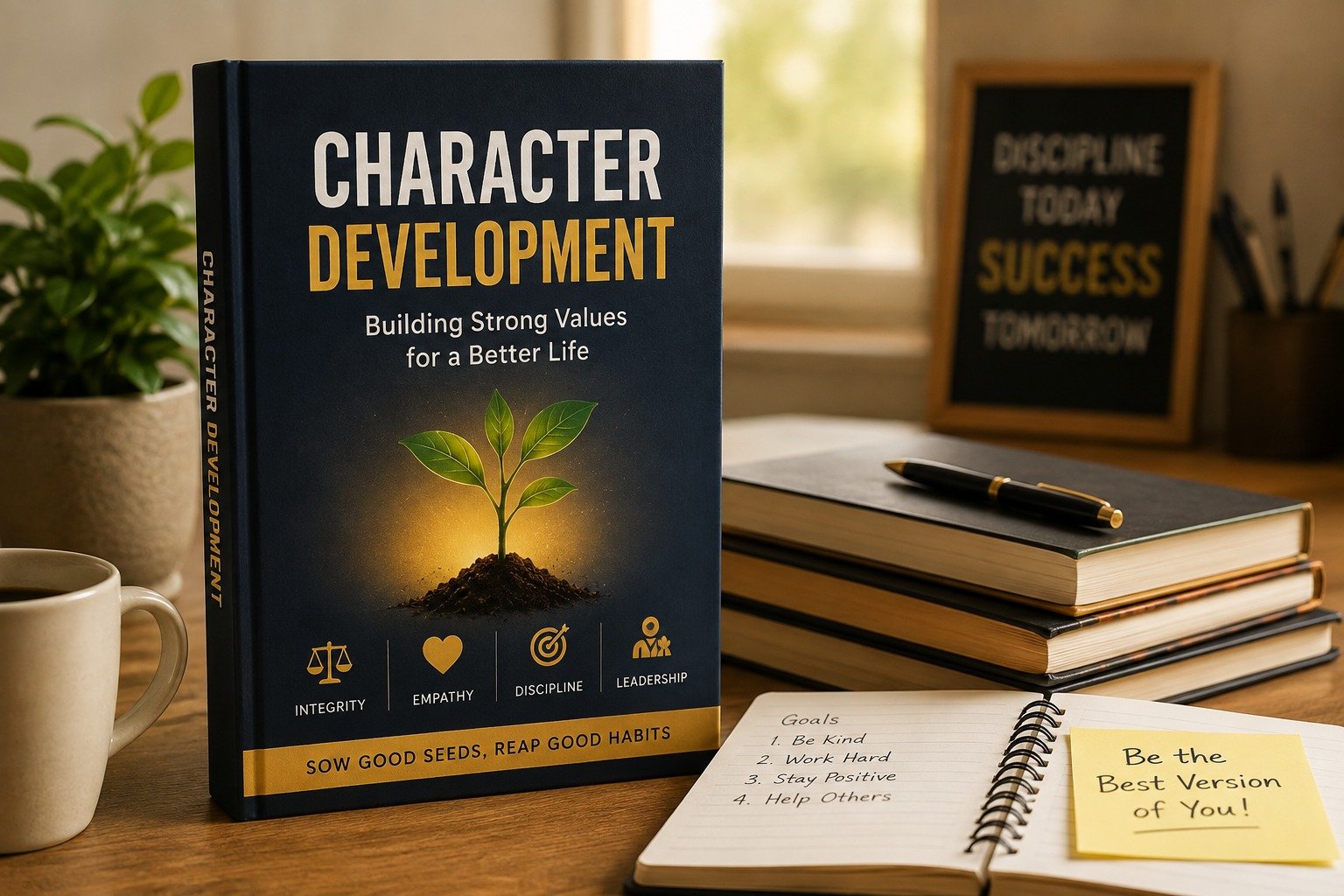
If there's one takeaway here, it's this: why youth empowerment workshops are important for career success comes down to one simple truth - knowledge gets you in the door, but skills like communication, leadership, and adaptability decide what happens next.
Grades measure what a student knows. Workshops build what a student can *do* with that knowledge - in interviews, in teams, and in the workplace.
If you're a student, don't wait until placement season to build these skills. If you're a parent or educator, consider this one of the highest-return investments in a young person's future.
For further reading, explore authoritative global frameworks such as the UNESCO Youth and Skills Initiative and the United Nations Youth Development Programmes, both of which outline guidelines for modern career readiness and life skills development.
Ready to take the next step? Explore a youth empowerment workshop near you, or work with your school to bring one to your students - the earlier the start, the stronger the head start.










0 Comments