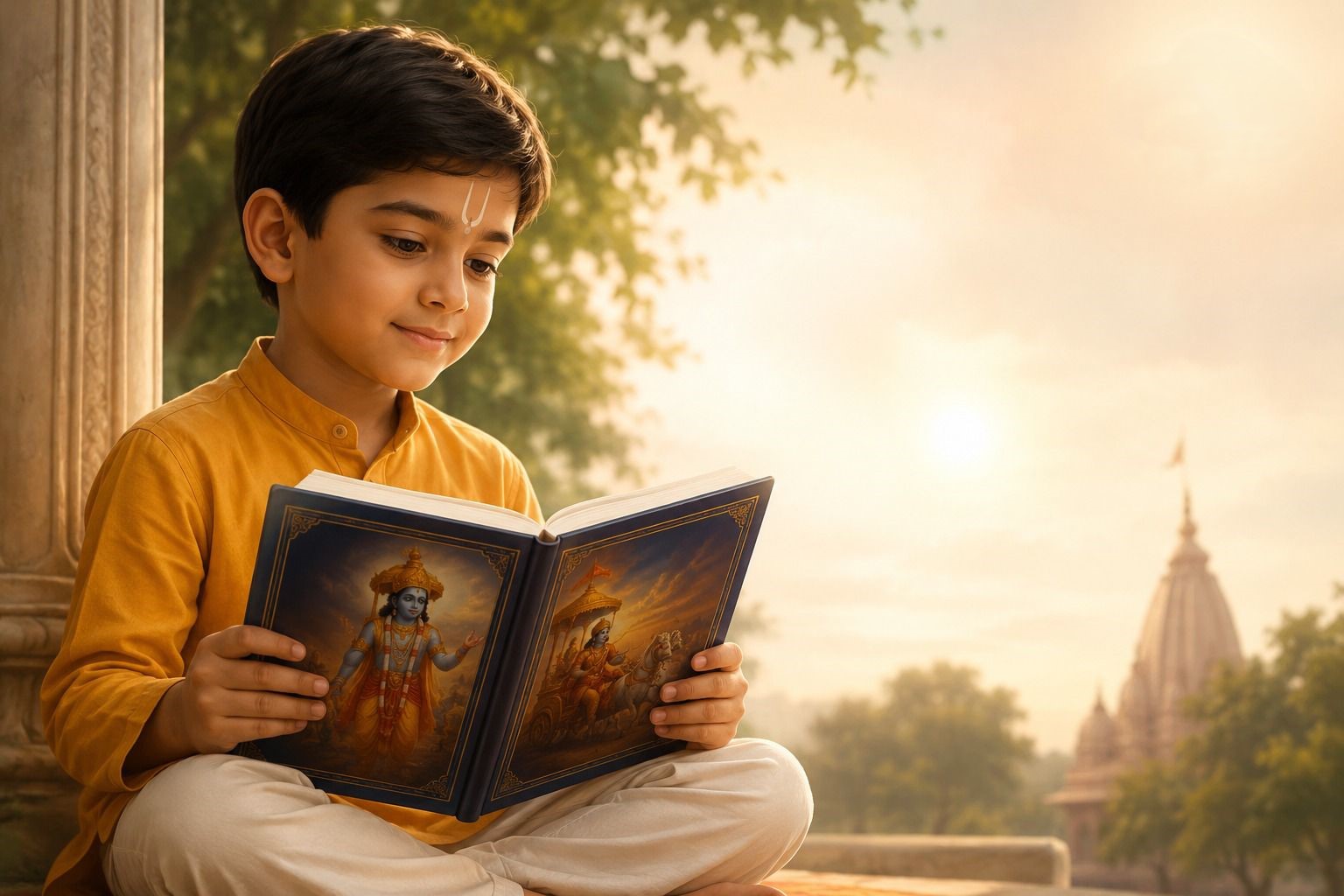
In today's fast-paced world, children are surrounded by endless distractions, academic pressure, and the influence of social media. While technology offers many benefits, it also makes it more important than ever to help children develop strong values, emotional balance, and good decision-making skills.
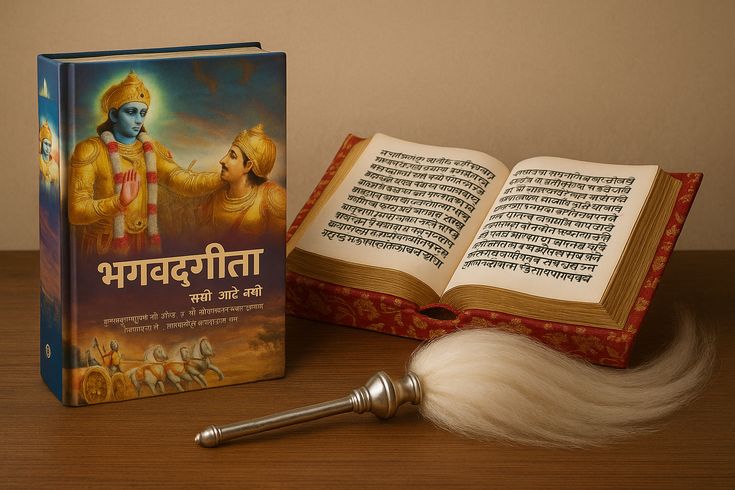
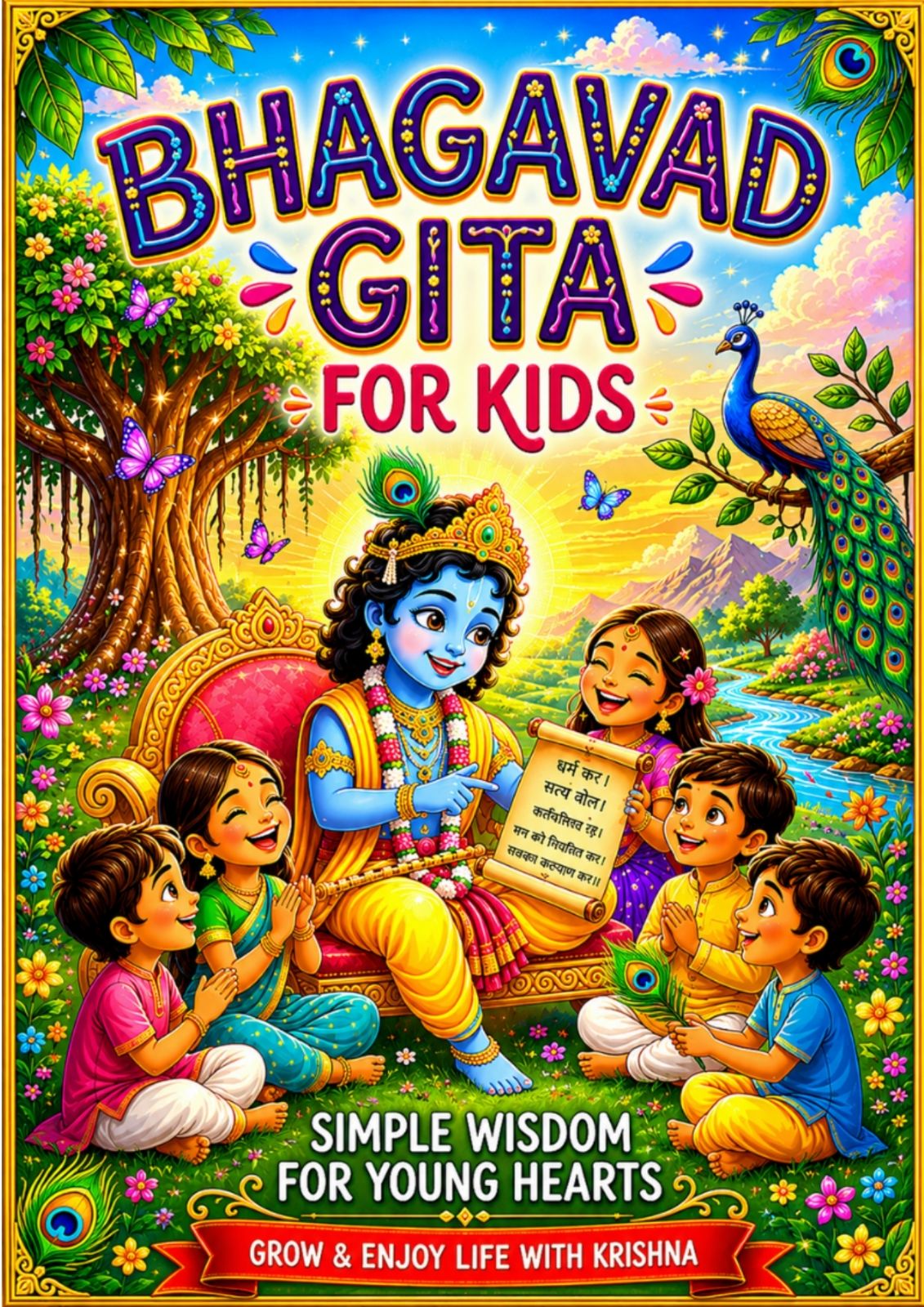
One timeless source of wisdom that has guided millions of people for centuries is the Bhagavad Gita. Contrary to the common belief that it is only for adults, the Bhagavad Gita contains simple yet powerful life lessons. You can read about what's inside the Bhagavad Gita for kids to understand how it is structured for young readers.
Reading the Bhagavad Gita does not mean learning difficult philosophy. It means discovering practical values like honesty, kindness, courage, self-discipline, and respect. These qualities help children become confident individuals and responsible citizens.
In this article, we'll explore why children should read the Bhagavad Gita and how its teachings can positively shape their future. We also have a detailed guide on 10 life lessons from the Bhagavad Gita for kids that covers specific lessons in depth, as well as a comprehensive timeless guide to building character, confidence, and compassion.
1. The Bhagavad Gita Teaches Good Values
Every parent wants their child to grow into a kind, honest, and responsible person. The Bhagavad Gita naturally teaches these qualities through Lord Krishna's guidance.
Children learn to:
- Speak the truth
- Respect elders
- Be compassionate
- Help others
- Stay humble
- Practice gratitude
These values become lifelong habits when introduced at a young age.
2. It Helps Children Build Confidence
Many children struggle with fear of failure, stage fright, or low self-confidence.
The Bhagavad Gita reminds us that we should focus on doing our best instead of worrying about the results. This powerful lesson encourages children to try new things without being afraid of making mistakes.
Confident children become better learners, leaders, and friends.
3. It Improves Decision-Making Skills
Children make hundreds of small decisions every day.
- Should I tell the truth?
- Should I finish my homework before playing?
- Should I help my classmate?
The Bhagavad Gita teaches children to choose what is right instead of what is easy.
This habit develops wisdom and responsibility from an early age.
4. It Encourages Self-Discipline
Success in school and life depends on discipline.
The teachings of Lord Krishna inspire children to:
- Complete their responsibilities
- Develop healthy routines
- Manage time wisely
- Stay focused on goals
These habits benefit children throughout their education and future careers.
5. It Helps Children Handle Failure
Every child experiences setbacks.
Whether it's losing a competition, getting lower marks, or making mistakes, disappointment is a part of growing up.
The Bhagavad Gita teaches that failure is not the end. Every experience is an opportunity to learn and improve.
This mindset builds resilience and emotional strength.
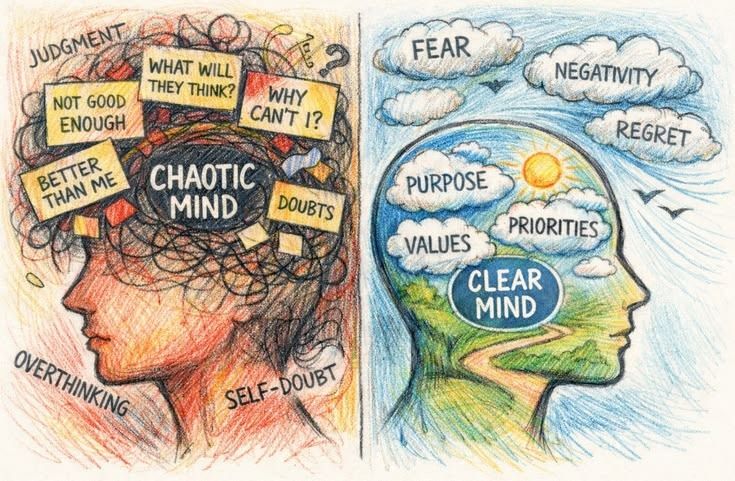
6. It Reduces Stress and Anxiety
Modern children often face pressure from exams, extracurricular activities, and social expectations. Practicing stress management techniques for students can significantly help them handle academic pressure and overcome exam stress effectively.
Simple teachings from the Bhagavad Gita encourage children to:
- Stay calm
- Focus on their efforts
- Practice gratitude
- Avoid unnecessary worry
These lessons support emotional well-being and inner peace.
7. It Inspires Respect and Kindness
Kindness is one of the greatest strengths a child can develop.
The Bhagavad Gita encourages children to:
- Respect parents and teachers
- Care for friends
- Show compassion toward animals
- Help those in need
- Treat everyone fairly
These values create stronger families, classrooms, and communities.
8. It Develops Concentration
One of the biggest challenges today is maintaining focus.
The Bhagavad Gita teaches children to control distractions and pay attention to the task at hand.
Improved concentration helps with:
- Homework
- Reading
- Sports
- Music
- Art
- Meditation
Better focus leads to better learning.
9. It Encourages Positive Thinking
Children sometimes compare themselves with others or become discouraged when things don't go their way.
The Bhagavad Gita teaches them to:
- Believe in themselves
- Stay hopeful
- Learn from mistakes
- Appreciate their unique strengths
Positive thinking builds confidence and happiness.
10. It Builds Strong Character
Education teaches children what to think.
The Bhagavad Gita teaches them how to live.
It nurtures qualities such as:
- Integrity
- Patience
- Courage
- Responsibility
- Compassion
- Self-control
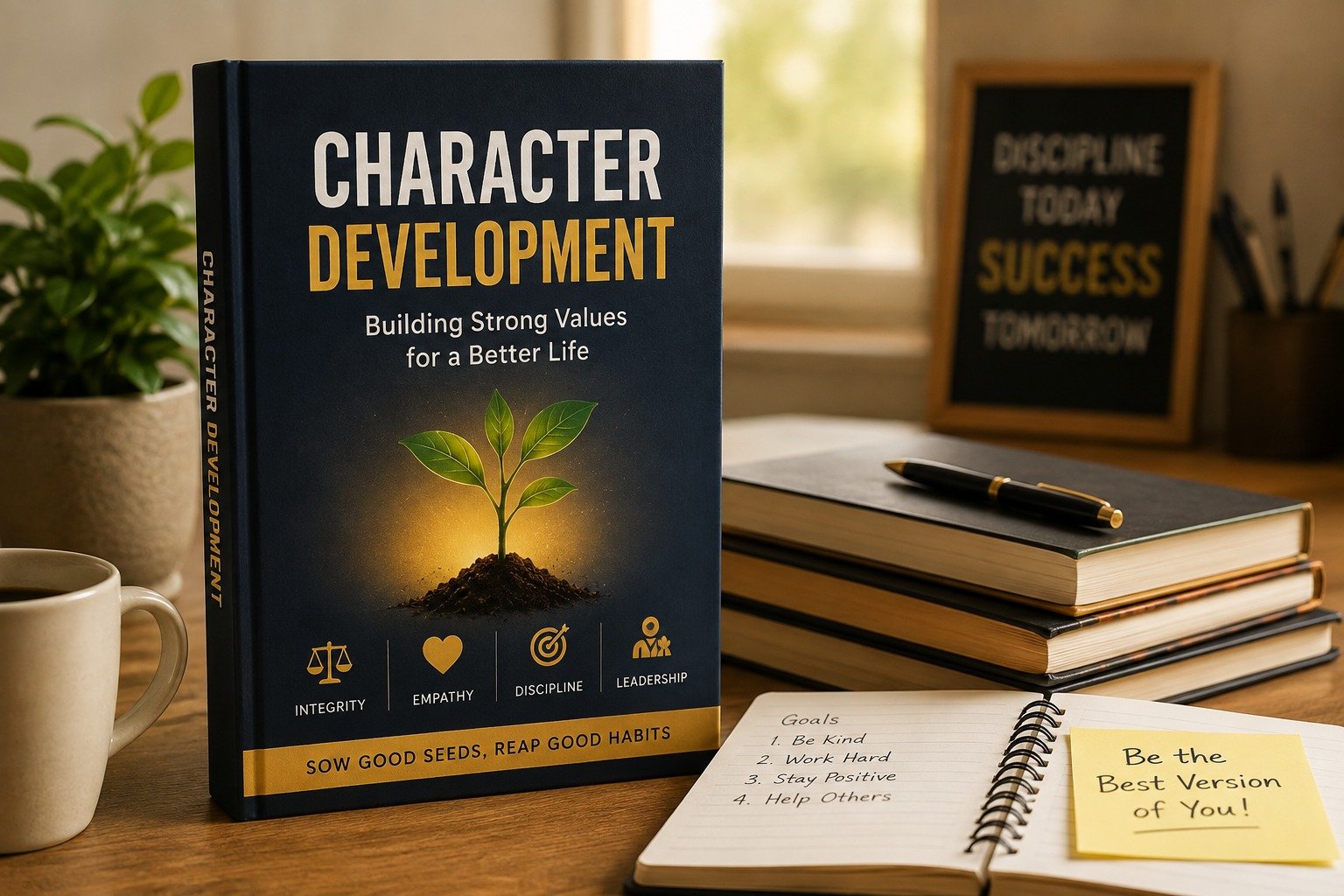
Strong character helps children succeed not only in school but throughout life.
Simple Ways Parents Can Introduce the Bhagavad Gita
Parents don't need to teach every chapter at once.
Instead, they can:
- Read one simple story every week.
- Learn one easy shloka together.
- Discuss one life lesson after dinner.
- Encourage children to ask questions.
- Relate Krishna's teachings to everyday situations.
Small, regular conversations make learning enjoyable.
Conclusion
The Bhagavad Gita is much more than an ancient scripture-it is a timeless guide to living with wisdom, kindness, and courage. For children, its lessons can become a strong foundation for making good choices, handling challenges, and growing into compassionate, confident individuals.
By introducing the Bhagavad Gita in a simple, engaging, and age-appropriate way, parents and teachers can help children develop values that will benefit them throughout their lives. The goal is not just to read the Gita, but to understand its message and practice it through everyday actions. Schools can also pair this with positive youth development programs to build a complete foundation of emotional fitness.









0 Comments