
In a world filled with distractions, competition, and constant change, parents are increasingly looking for ways to help children develop strong values and emotional resilience. While academic success is important, qualities such as honesty, kindness, confidence, and self-discipline are equally essential for a child's growth.
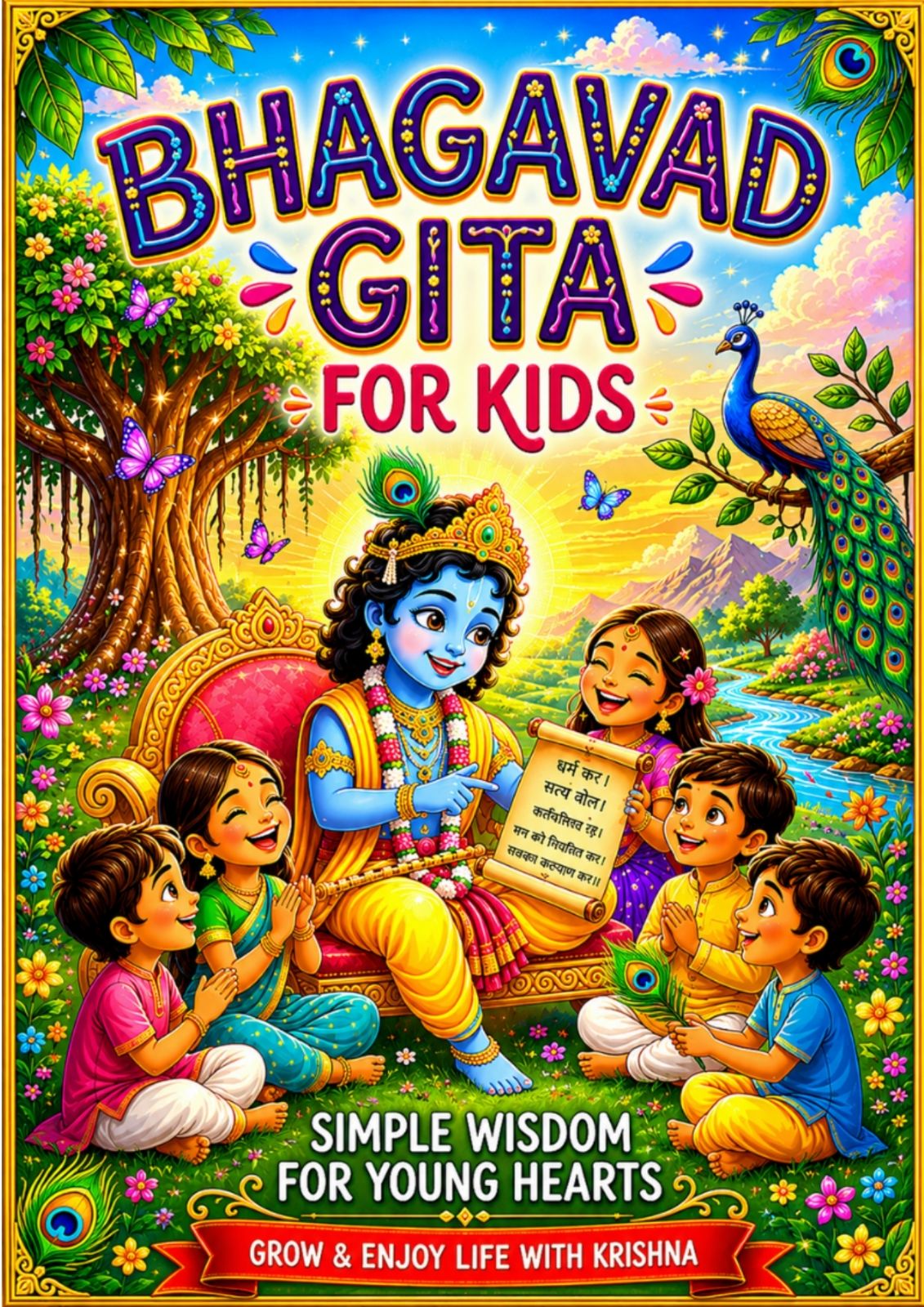
This is where the Bhagavad Gita for Kids becomes a valuable guide. The Bhagavad Gita is not just an ancient spiritual text; it is a timeless source of wisdom that teaches practical life skills. When its teachings are explained in a simple and child-friendly manner, children can learn lessons that help them navigate school, friendships, challenges, and everyday life. To learn more about how to use these lessons for character building, read our timeless guide on Bhagavad Gita for Kids.
Here are 10 important life lessons from the Bhagavad Gita that every child should learn and practice.
1. Focus on Effort, Not Just Results
One of the most famous teachings of the Bhagavad Gita is to focus on performing your duty sincerely without worrying excessively about the outcome.
For children, this means:
- Studying with dedication
- Practicing regularly
- Giving their best effort in everything they do
When children focus on learning and improvement instead of only winning or getting high marks, they develop a healthier mindset and greater confidence.
Real-Life Example
A child preparing for an exam should focus on understanding concepts and consistent study habits rather than becoming anxious about the final score.
Key Takeaway
Success often follows sincere effort. Children should learn to value hard work over immediate results.
2. Believe in Yourself
At the beginning of the Bhagavad Gita, Arjuna feels confused and uncertain. Through guidance and self-reflection, he discovers his inner strength and courage.
Children also face moments of self-doubt:
- Trying a new activity
- Participating in competitions
- Making new friends
- Speaking in public
The Bhagavad Gita teaches that confidence comes from recognizing our abilities and trusting ourselves.
Real-Life Example
A child who feels nervous before a school presentation can overcome fear through preparation and positive thinking.
Key Takeaway
Self-belief is the foundation of success and personal growth.
3. Stay Calm During Challenges
Life does not always go according to plan. Children may experience disappointment, failure, or unexpected difficulties.
The Bhagavad Gita teaches emotional balance and encourages us to remain calm during both success and failure.
Real-Life Example
If a child loses a sports match, they can learn from the experience instead of becoming discouraged or angry.
Key Takeaway
Staying calm helps children make better decisions and handle challenges with maturity.
4. Practice Honesty and Integrity
Honesty is one of the most important values children can learn.
The Bhagavad Gita encourages truthfulness, sincerity, and ethical behavior. Honest children build trust with parents, teachers, and friends.
Real-Life Example
If a child accidentally breaks something, admitting the mistake demonstrates courage and integrity.
Key Takeaway
Being truthful builds character and strengthens relationships.
5. Treat Everyone with Respect
Respect is an essential value taught throughout Indian wisdom traditions.
Children should learn to:
- Respect parents and elders
- Listen to teachers
- Be kind to classmates
- Appreciate different perspectives
Respect creates positive relationships and helps children become compassionate individuals.
Real-Life Example
Listening carefully when others speak and treating everyone kindly are simple ways to show respect.
Key Takeaway
Respect helps create harmony in families, schools, and communities.
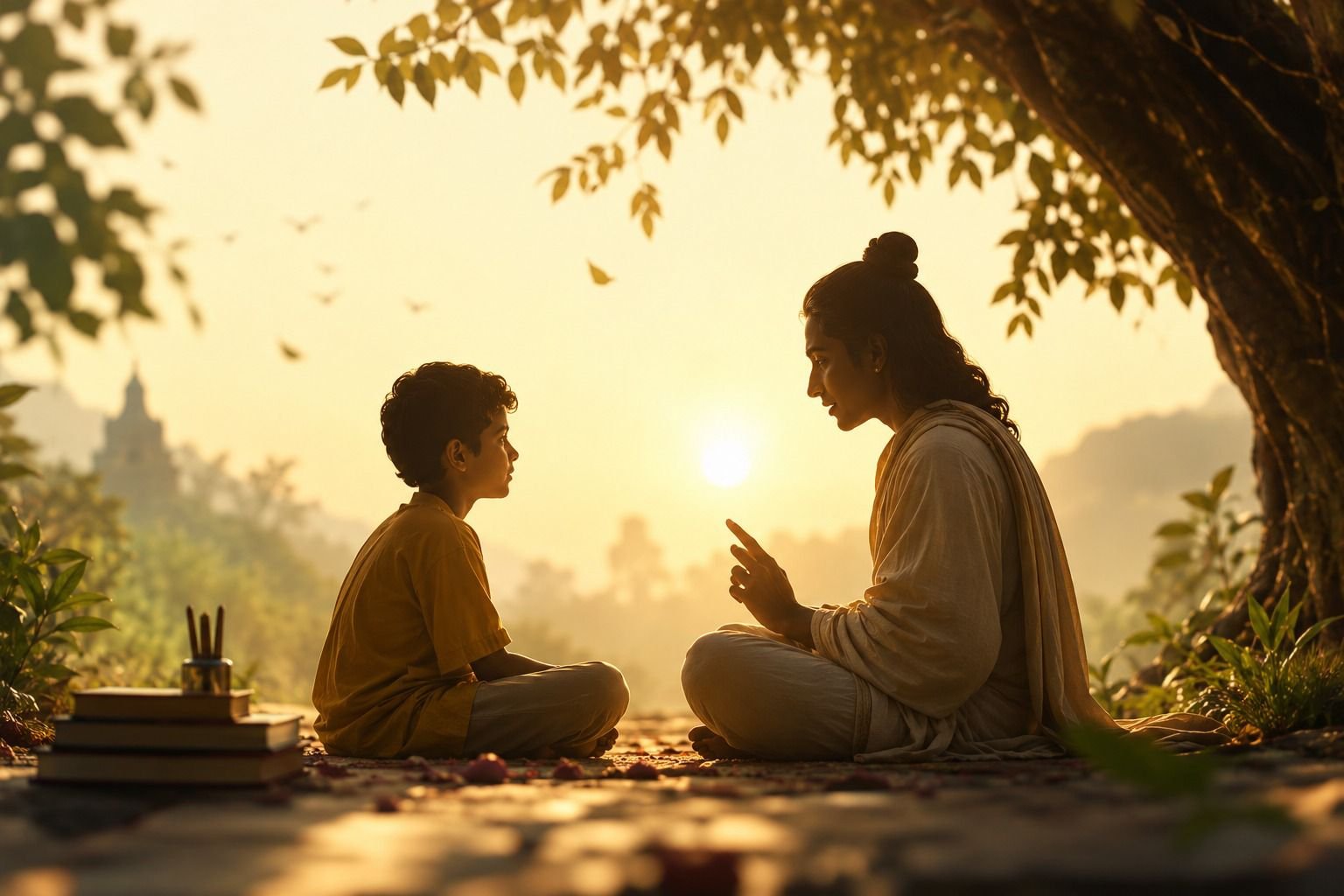
6. Learn to Control Anger
Anger can cloud judgment and lead to actions we later regret.
The Bhagavad Gita teaches the importance of self-control and awareness of emotions.
Children should learn healthy ways to manage frustration, such as:
- Taking deep breaths
- Talking about their feelings
- Taking a short break when upset
Real-Life Example
Instead of arguing with a sibling, a child can pause, calm down, and discuss the problem respectfully.
Key Takeaway
Managing emotions leads to better decisions and stronger relationships.
7. Build Self-Discipline Through Good Habits
Discipline is one of the most valuable life skills a child can develop.
The Bhagavad Gita emphasizes self-mastery and consistent effort.
Children can build discipline by:
- Following a daily routine
- Completing homework on time
- Limiting unnecessary screen time
- Practicing skills regularly
Real-Life Example
A child who reads for twenty minutes every day gradually develops strong reading habits and knowledge.
Key Takeaway
Small daily actions create long-term success.
8. Help Others and Show Kindness
The Bhagavad Gita encourages selflessness and compassion.
Teaching children to help others helps them develop empathy and emotional intelligence.
Simple acts of kindness include:
- Sharing with friends
- Helping classmates
- Assisting family members
- Supporting someone in need
Real-Life Example
Helping a new student feel welcome at school demonstrates kindness and compassion.
Key Takeaway
True happiness grows when we contribute positively to the lives of others.
Learning is a lifelong journey.
The Bhagavad Gita encourages self-improvement and continuous growth.
Children should be encouraged to:
- Ask questions
- Explore new ideas
- Develop new skills
- Learn from mistakes
Real-Life Example
A child learning a musical instrument may struggle initially but gradually improves through practice and patience.
Key Takeaway
Every experience offers an opportunity to learn and grow.
10. Always Choose What Is Right
Sometimes doing the right thing can be difficult.
The Bhagavad Gita teaches the importance of acting according to values and principles, even when faced with pressure or challenges.
Children should learn to make decisions based on honesty, fairness, and kindness.
Real-Life Example
Standing up for a classmate who is being bullied demonstrates courage and moral strength.
Key Takeaway
Doing the right thing builds character and self-respect.
Why Are These Bhagavad Gita Lessons Important for Kids?
Children today face many challenges, including academic pressure, social media influence, peer expectations, and emotional stress.
The teachings of the Bhagavad Gita help children develop:
- Confidence
- Emotional resilience
- Self-discipline
- Compassion
- Responsibility
- Positive thinking
- Strong moral values
These qualities contribute not only to academic success but also to lifelong happiness and well-being.
How Parents Can Teach Bhagavad Gita Lessons to Children
Parents often wonder how to introduce spiritual wisdom without making it complicated. Here are some effective methods:
Storytelling
Children learn best through stories. Use engaging examples and relatable situations to explain important lessons.
Daily Discussions
Discuss one lesson at a time and connect it with everyday experiences.
Interactive Activities
Use coloring pages, quizzes, reflection exercises, and creative activities to make learning enjoyable.
Child-Friendly Books
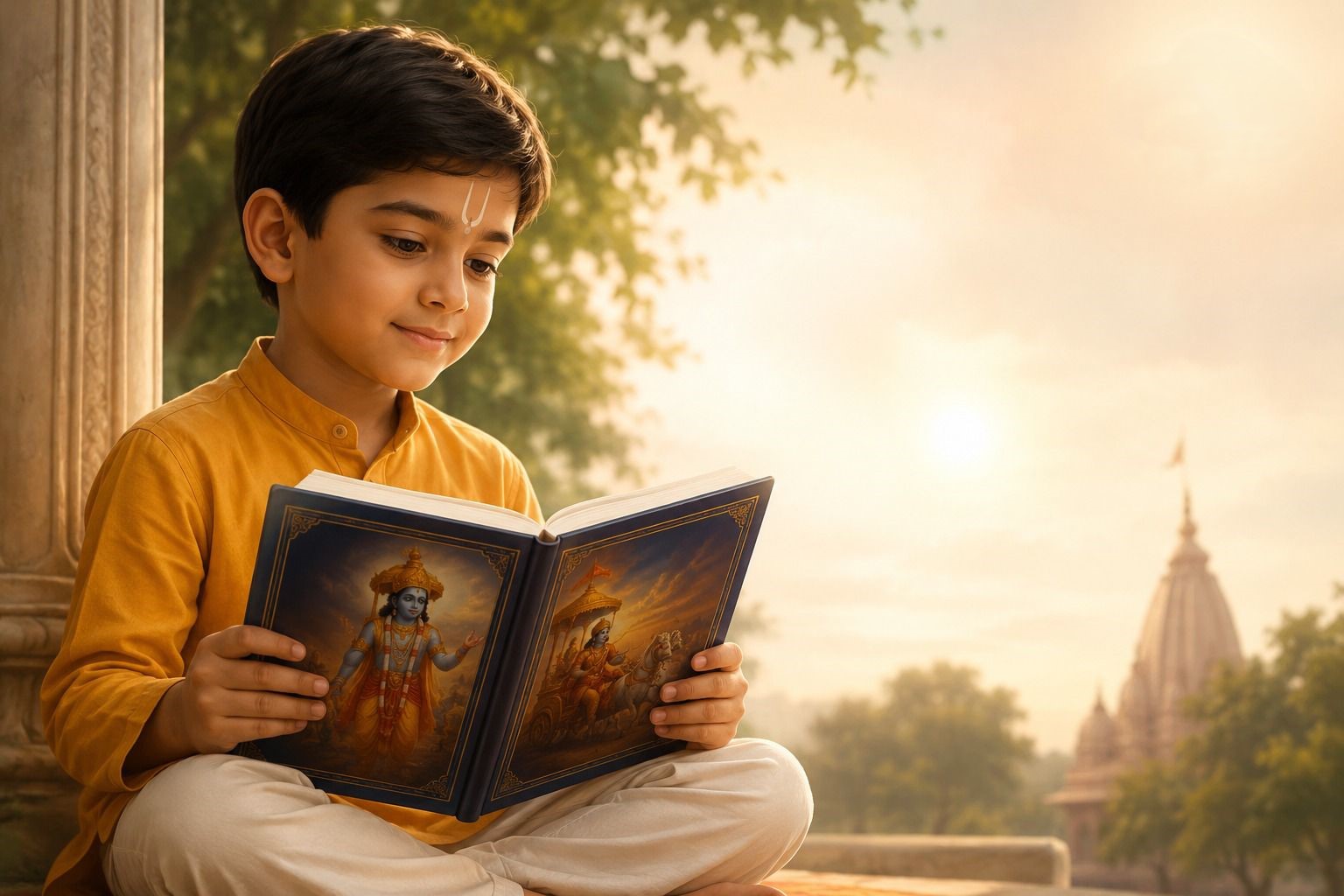
A well-designed Bhagavad Gita for Kids can simplify complex teachings through illustrations, stories, and practical examples that children can easily understand.
Conclusion
The Bhagavad Gita offers timeless wisdom that remains relevant for children growing up in today's world. Its teachings help young minds develop confidence, kindness, discipline, emotional balance, and strong moral values.
By introducing these lessons early, parents can help children build a strong foundation for a meaningful and successful life.
Whether through stories, discussions, activities, or a specially designed Bhagavad Gita for Kids, these teachings can inspire children to become thoughtful, responsible, and compassionate individuals.









0 Comments