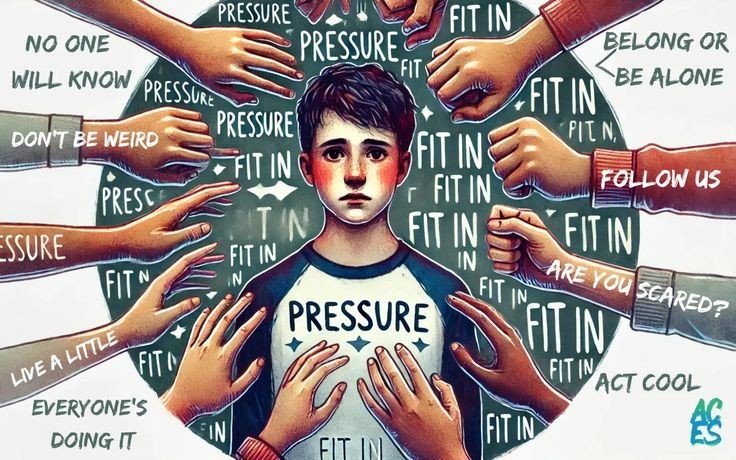
Ananya is in Class 10. Her friends have decided to bunk the last period and head to the mall. She has a test tomorrow and doesn't really want to go. But the group chat is already buzzing, so she types, "haan, I'm in."
Nobody forced her. Nothing dramatic happened. That is why knowing how to deal with peer pressure matters so much: it is usually quiet, it comes from people you like, and saying no can feel like it costs you your place in the group.
This guide is for teenagers in India who want words and steps they can use, and for the parents and teachers who want to help without lecturing.
What Does Peer Pressure Look Like During the Teenage Years?
Peer pressure is the pull to think, dress or act like the people around you. Sometimes it is direct: a dare, teasing, or being called boring for refusing. A friend might ask you to share your test answers or to lie to your parents about where you are.
More often it is indirect. Nobody says anything, but you notice everyone has the same sneakers, the same coaching centre, the same plan for after Class 12. You start wondering whether you should too.
In school life it shows up in familiar places:
- A group chat that has already made the plan before you've read it.
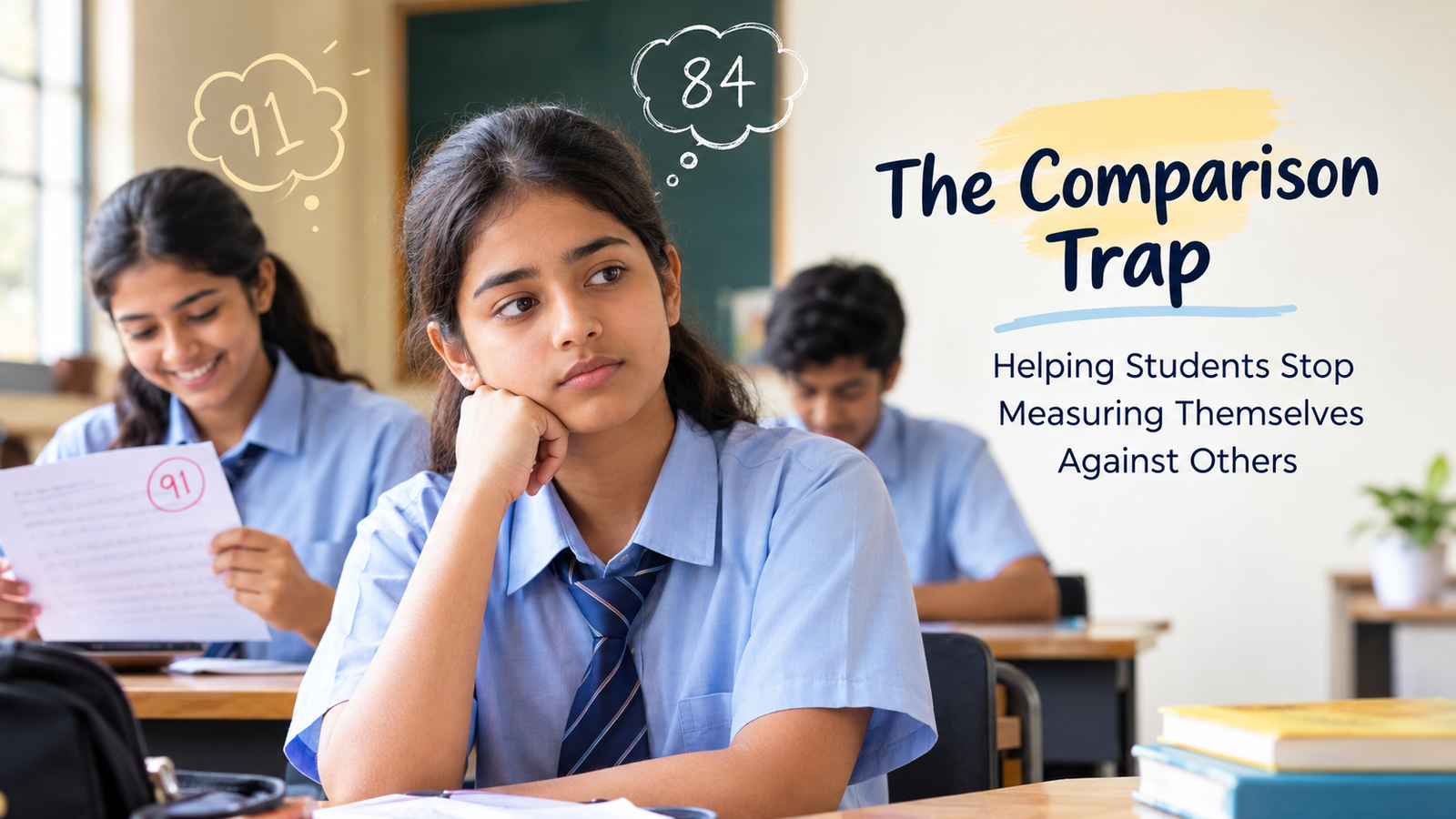
- Marks being compared the moment a test is returned.
- "Which tuition are you joining?" asked in a way that sounds like a test.
- Appearance and followers on social media.
- Laughing at a joke about a classmate because the whole group is laughing.
It isn't always negative. Friends who study together, push you into a sports team or stop you from a bad decision are also peer influence. Feeling the pull of the group is normal. It doesn't mean you are weak.
Six Steps Teenagers Can Use to Deal With Peer Pressure

Many students in India are already carrying expectations about marks and entrance exams, so the weight of fitting in can be heavier than it looks from outside. Here is how to deal with peer pressure when it shows up:
- Pause before you answer. "Let me check and tell you" works in person and in chats. A group chat actually helps here, because you don't have to reply in ten seconds.
- Know your lines before the moment arrives. Decide two or three things you won't do, such as copying in a test or lying about your whereabouts. A decision made calmly is easier to keep than one made in front of eight people.
- Say no without turning it into a fight. Keep it short and calm. You don't owe anyone a speech.
- Rehearse. Say your lines aloud once, to a mirror or a sibling. They sound less awkward when the real moment comes.
- Find friends who respect your choices. AACAP advises spending time with kids who resist peer pressure, noting it helps to have at least one friend who is also willing to say no.
- Talk to a trusted adult when it's too much. AACAP suggests a parent, teacher or school counsellor. Asking for help is not snitching.
Peer Pressure Confidence Building Starts With Small Choices
Confidence is not something you switch on for one big moment. It grows from small acts of choosing for yourself, and each one is practice for the harder moments.
Try these:
- Order what you actually want at the canteen, even if the group orders something else.
- Say "I liked that film" when everyone else didn't.
- Join a club or sport that none of your close friends are in.
- Tell a friend, "I'd rather study today. Let's meet Saturday."
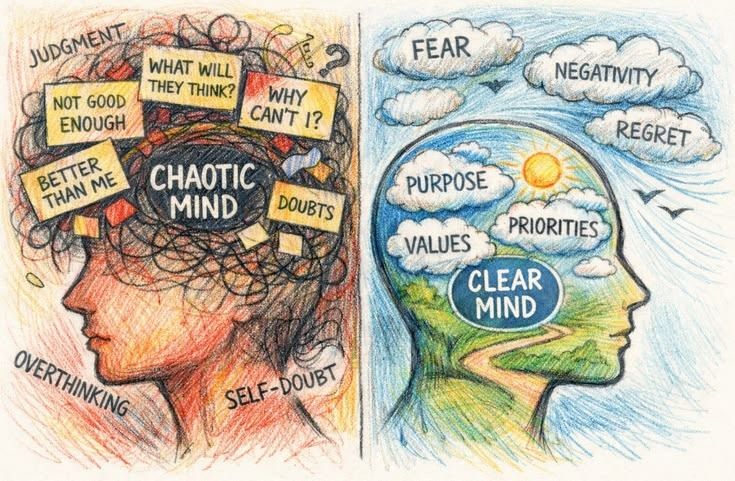
Self-awareness helps too. Notice the tight feeling in your stomach when you are about to agree to something you don't want. That feeling is information. Setting personal boundaries simply means knowing what you are and aren't okay with. You are allowed to have those limits, and you are allowed to change them.
Why bother now? AACAP notes that kids who feel good about themselves are less vulnerable to peer pressure. The WHO describes adolescence as a critical period for acquiring socio-emotional skills. None of this is a quick fix. Confidence builds slowly, and no exercise guarantees a result.
Practical Ways of Coping With Teenage Peer Pressure
Coping with teenage peer pressure gets easier when you already have words ready. Dealing with peer pressure in the moment is mostly about having a line you can say without thinking. Here are some you can actually use:
| Situation | What you can say |
|---|---|
| Friends plan to bunk class | "That's not for me, but we can do something else after school." |
| A friend asks you to copy or share answers | "I'm not comfortable with that." |
| Someone keeps pushing after you've said no | "I have made my decision. Please respect it." |
| The group is mocking a classmate | "Not funny to me." Then change the subject. |
| You want to leave a situation quickly | "My parents want me home." Blaming parents is a perfectly fine exit. |
Online comparison and FOMO. Mute accounts that leave you feeling worse. Remember that posts are highlights, not full lives. If you feel left out, message one friend and make a small plan instead of scrolling.
When it keeps happening. If someone keeps pushing after a clear no, walk away. Repeated pressure says something about the friendship, not about you. If anything feels unsafe, leave and tell a trusted adult.
How Parents and Teachers Can Support Teenagers

Teenagers who feel judged stop talking. A few things keep the door open:
- Listen first. Ask, "What's your group like these days?" rather than "Who are these friends?" Criticising their friends often ends the conversation.
- Hand over small decisions. Clothes, weekend plans and club choices are good places for age-appropriate independence.
- Practise together. "What would you say if..." role-plays build decision-making skills without pressure.
- Agree on an exit. A code message that means "call me and say I need to come home" gives your teenager a face-saving way out.
- Don't shame a slip. If they gave in once, talk it through instead.
Teachers can help by making polite disagreement normal in class, noticing exclusion early, and keeping the school counsellor easy to reach. A CBSE circular asks schools to prominently display the Tele-MANAS helpline numbers, 14416 and 1800-891-4416. Tele-MANAS is a Government of India service offering free, confidential, 24×7 support. Seek extra support if a teenager shows persistent anxiety or sadness, withdraws from family and friends, or is being bullied.
Schools across Delhi NCR looking for student sessions on self-doubt and confidence can look at our student wellness programs for schools in Gurgaon.
Helping Teenagers Stay True to Themselves
Learning how to cope with peer pressure does not necessarily mean avoiding your friends. You can appreciate the importance of friendship while maintaining your own beliefs. The best friendships make provision for that.
If you are a teacher, parent, or school coordinator, and wish to find out more about some student resources on emotional wellbeing, you can learn more about Soul and Mind. Schools wishing to have a discussion can contact us through the contact page.




















0 Comments