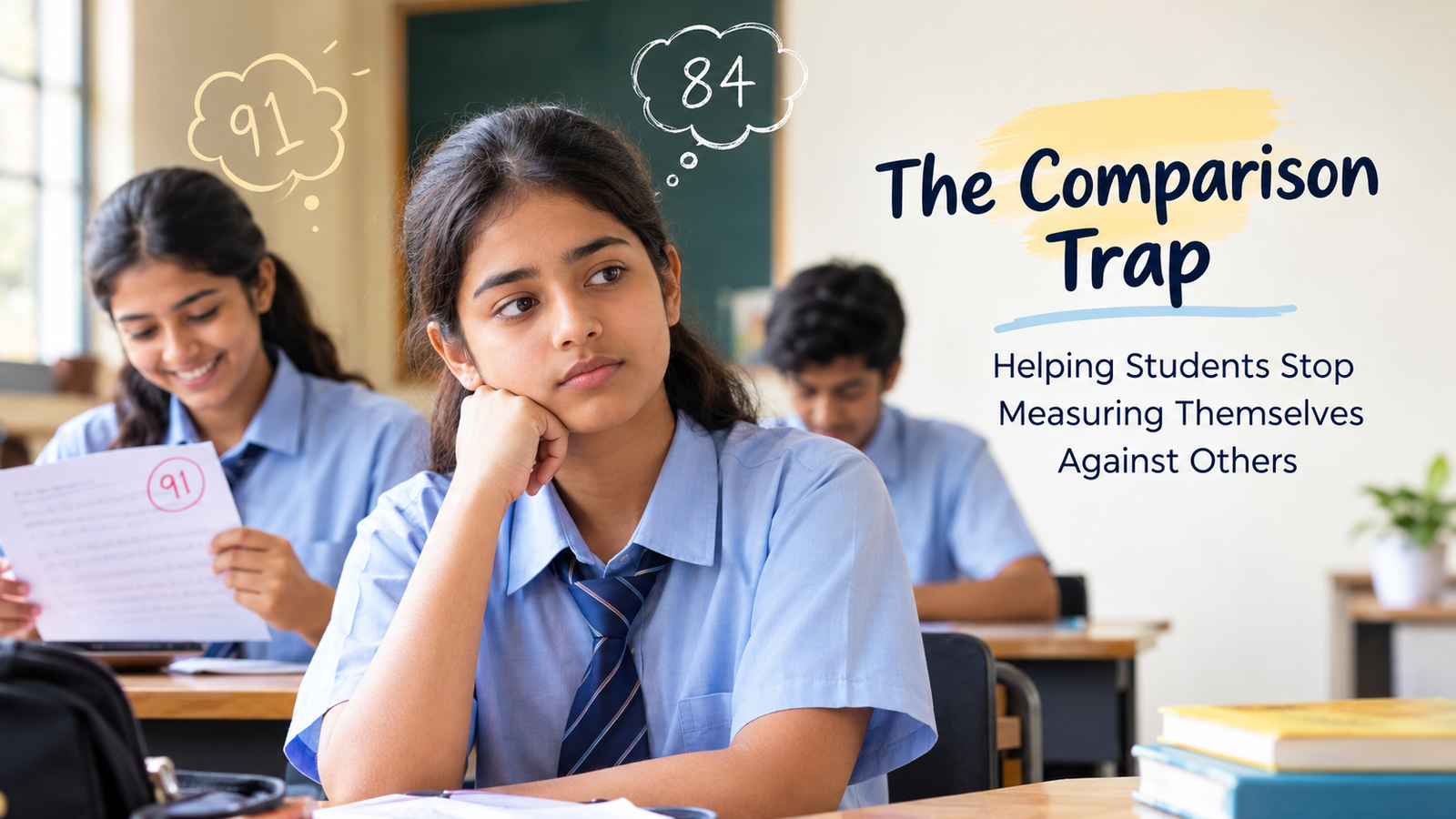
Students comparing themselves to others is something many teachers and parents see in everyday school life. A Class 9 girl gets 84 in Maths and walks out of class smiling, a little proud. Then someone mentions that the girl two benches ahead got 91. By lunch, her 84 feels like something to hide.
What has changed is that comparison no longer ends at the school gate. It follows children home and onto their phones. So, let's look at what research says about social comparison among students, how it shows up in Indian classrooms, and what teachers and parents can do to help.
Why Students Comparing Themselves to Others Starts So Early
In 1954, Leon Festinger wrote a paper in *Human Relations* with a simple idea: when we don't have a clear way to measure ourselves, we look at the people around us. Think about a school for a second. Marks get read out. Toppers get named. Even the seating plan quietly sorts everyone. It's basically a comparison machine.
And the person a child compares with is rarely a stranger. A 2009 study in the *European Journal of Social Psychology* looked at social comparison among students, specifically 9,612 first-year secondary students in the Netherlands. Among those who had at least one friend, 78% also compared themselves with a friend. So it's the kid at the next desk. Or the cousin who always seems to come up in the family WhatsApp group.
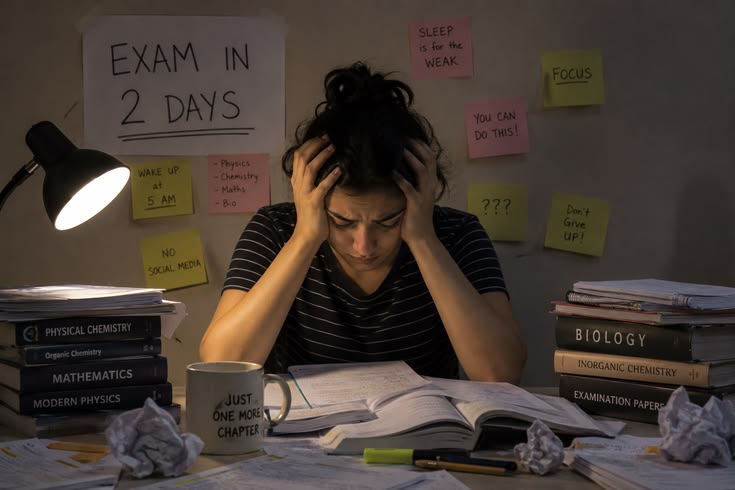
Most adults don't see students comparing themselves to others while it's happening. You notice it afterwards: the slumped shoulders on result day, or the child who used to answer every question and now just doesn't.
Upward, Downward, or Against Yourself
Researchers describe social comparison among students as going in two directions. Upward means measuring yourself against someone doing better. Downward means measuring yourself against someone doing worse. Either one can help or hurt, depending on the day and the child.
- Upward: "She finished the paper in half the time." What can go wrong: feeling permanently behind. What can go right: spotting a method worth borrowing.
- Downward: "At least I beat Rohan." What can go wrong: complacency. What can go right: a little relief after a bad day.
- Against yourself: "I was at 62 in July. I'm at 71 now." What can go wrong: it can feel slow. What can go right: progress a student can actually see.
None of these is the villain on its own. The trouble starts when upward comparison is the only lens a child ever uses.
What Comparison Anxiety in Teenagers Can Look Like
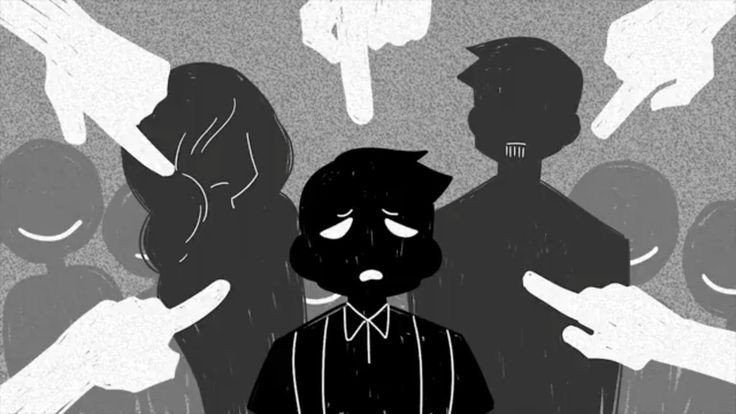
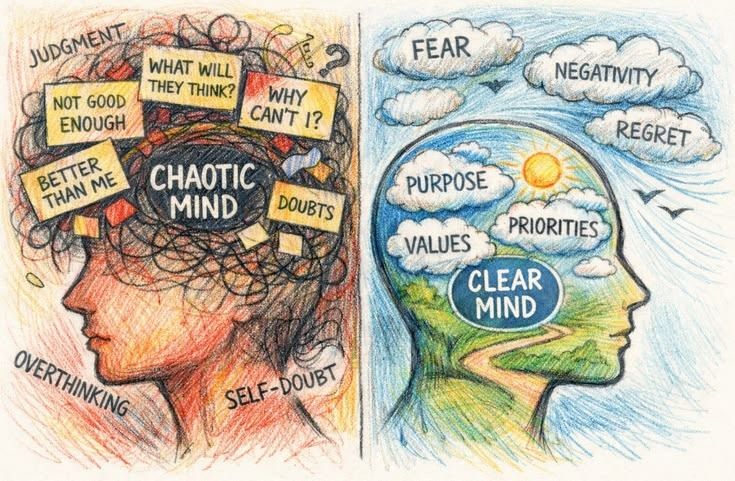
Teenagers are still figuring out who they are, and what their friends think of them can feel enormous. So comparison anxiety in teenagers doesn't always look like worry. Sometimes it's a kid going quiet after results. Sometimes it's hiding an answer sheet, or copying a friend's revision timetable word for word. And sometimes it's a flat little "I'm just not smart," said like it's a fact.
It's easy to miss, because high scorers feel it too. A student on 91 can feel behind if the person in the next row got 95.
Here's what we know from India. NCERT's Manodarpan Cell surveyed 3,79,842 students in Classes 6 to 12 between January and March 2022. Half of them (50%) named studies as the biggest cause of anxiety, and 31% named examinations and results. Also, 33% said they most of the time do what their friends want, just to please them. The survey didn't measure comparison directly, so we can't say how much of this is students comparing themselves to others. But it does tell us the pressure sits very close to friends and results.
How Social Media Widens the Pool
When we were young, comparison had borders. One class, one neighbourhood, maybe one tuition centre. Before phones, social comparison among students stopped there. Now the pool is everyone who posts.
In 2023, Irmer and Schmiedek published a study in *Communications Psychology* that followed 200 children and adolescents aged 10 to 14. The kids answered short online surveys every day for 14 days. The researchers found that upward comparisons helped explain why heavier social media use went along with lower self-worth. They're honest about the limits, too. Their sample leaned towards better-off families, and the study can't prove cause and effect.
There's also a bigger meta-analysis in *Media Psychology* (McComb and colleagues, 2023) that pulled together studies on seeing upward comparison targets on social media. It linked that exposure to poorer body image, self-esteem, mental health and wellbeing. The authors reported that the effect didn't differ by age, gender or study design.
So yes, for some young people, students comparing themselves to others online can chip away at how they see themselves. A feed that never switches off is often where comparison anxiety in teenagers finds its fuel. That's a good reason to sit down and talk about what a feed leaves out. It's not a reason to panic.
What Teachers and Schools Can Do
You can't remove comparison from a school. But you can decide how much your system feeds social comparison among students.
- Hand papers back privately. Face down, no running commentary. The moment marks are read aloud, every test becomes a leaderboard.
- Write two numbers on the feedback. This term's score and last term's. Now the student has a comparison that points forward instead of sideways.
- Ask "compared to what?" When a student says "I'm bad at this," dig a little. You'll often find it's one test and one person.
- Talk about the highlight reel. Give it ten minutes in a class period. What did you show people this week, and what did you keep to yourself? Teenagers catch on to this quickly.
- Praise the method, not the rank. "Your revision plan is working" lands better than "you topped the section."
If you'd like help with this, our Handling Failure and Self Doubt session, part of our student wellness programs for schools, is built for students who struggle with confidence, comparison or fear of failure.
What Parents Can Do at Home
Students comparing themselves to others usually learned the habit from adults first. "Sharma ji ka beta" gets laughed about in most Indian homes, but a child hears it as a verdict. Try asking what felt hard instead of who scored higher. And if you do bring up a result, put it next to your child's own earlier result, not a cousin's.
Keep an eye on your praise as well. If a child only feels your warmth when the marks are high, they'll carry that feeling into every classroom they ever sit in.
When It's More Than a Rough Week
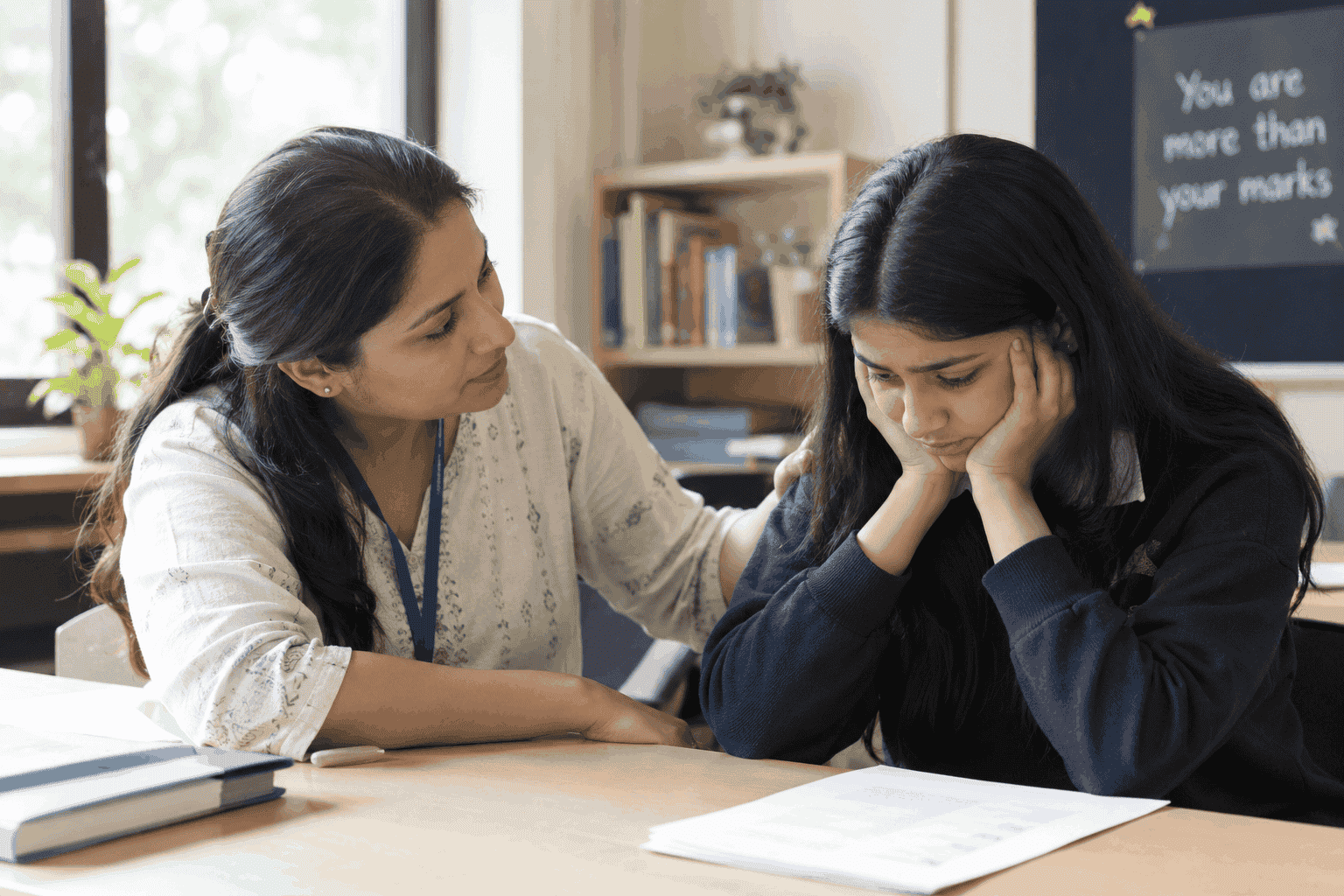
Most cases of comparison anxiety in teenagers ease with time and a bit of support. What you're watching for is a pattern that doesn't lift: pulling away from friends, weeks of poor sleep, refusing to go to school, or talking about themselves as worthless. If you see that, please bring in the school counsellor or a qualified mental health professional. Wellness sessions, ours included, sit alongside that care. They never replace it.
One Small Thing to Try This Week
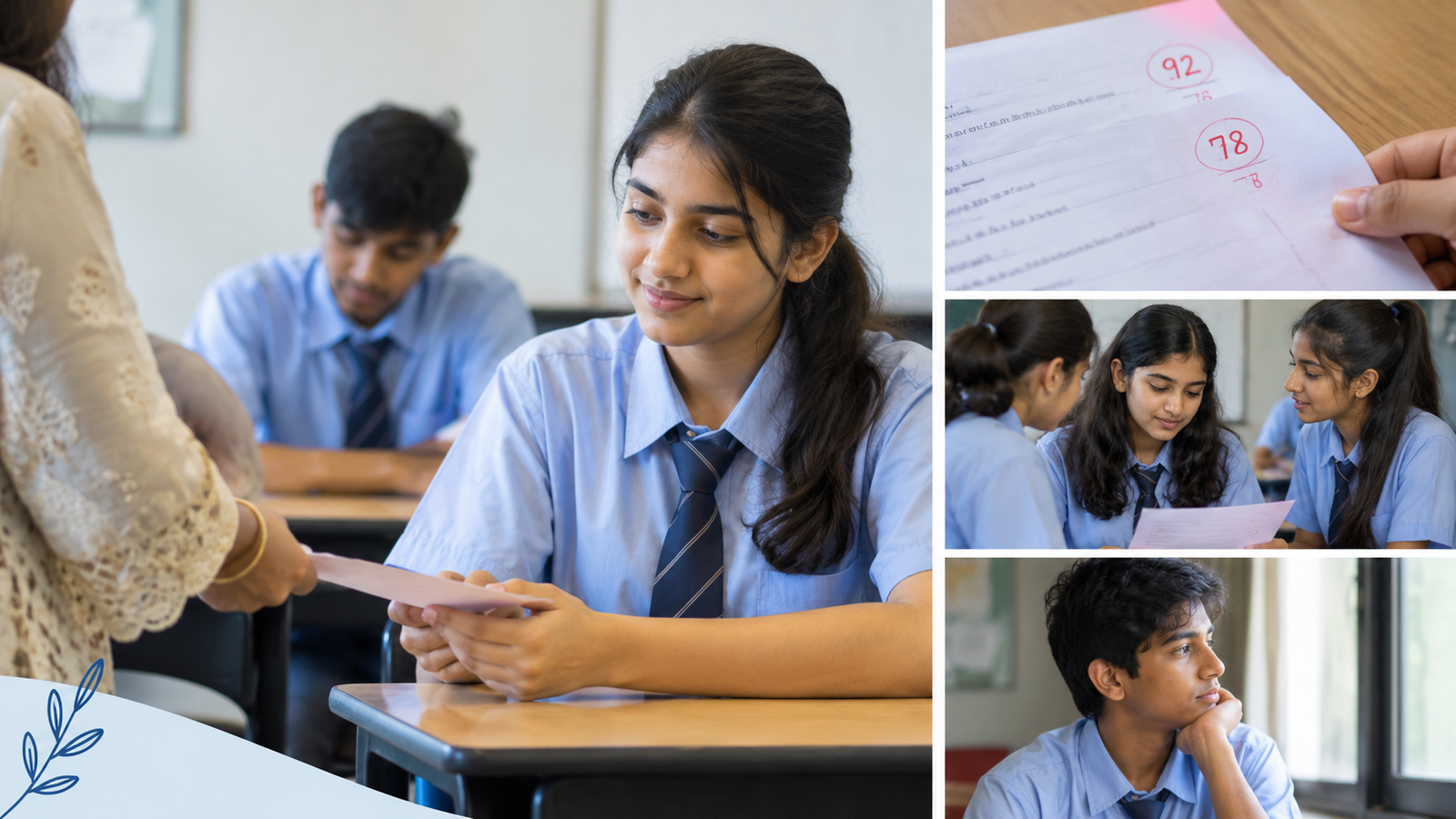
Pick one class. Hand back the next set of papers privately, with each student's previous score written beside the new one. Then watch who looks up.
If students comparing themselves to others is something your school is seeing, get in touch with Soul and Mind about a session. For related reading, see why students feel anxious before exams and stress management techniques for students.










0 Comments