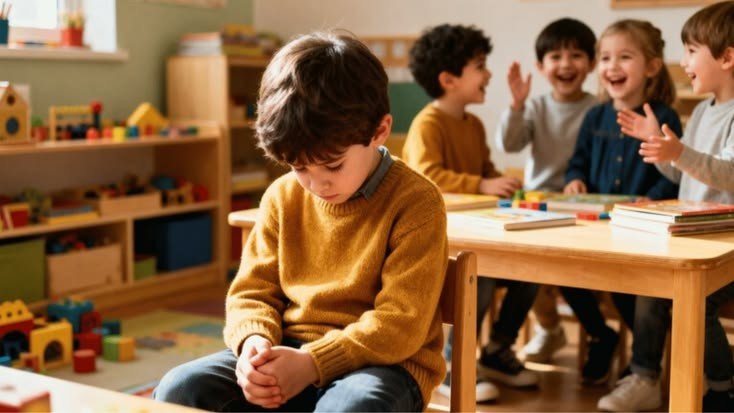
Your child gets a low mark, loses a match, or isn’t picked for the school play. Then come the tears, or a quiet “I’m just not good at anything.” You want to help, but the right words don’t come.
Stories can do what lectures can’t. The Mahabharata is full of people who fail, feel terrible, and keep going. Below are three Mahabharata stories for kids on failure. Each one comes with a simple way to tell it and a question to ask afterwards. You don’t need to be religious to use them. They’re stories about people, and children understand people.
Why talk about failure now?
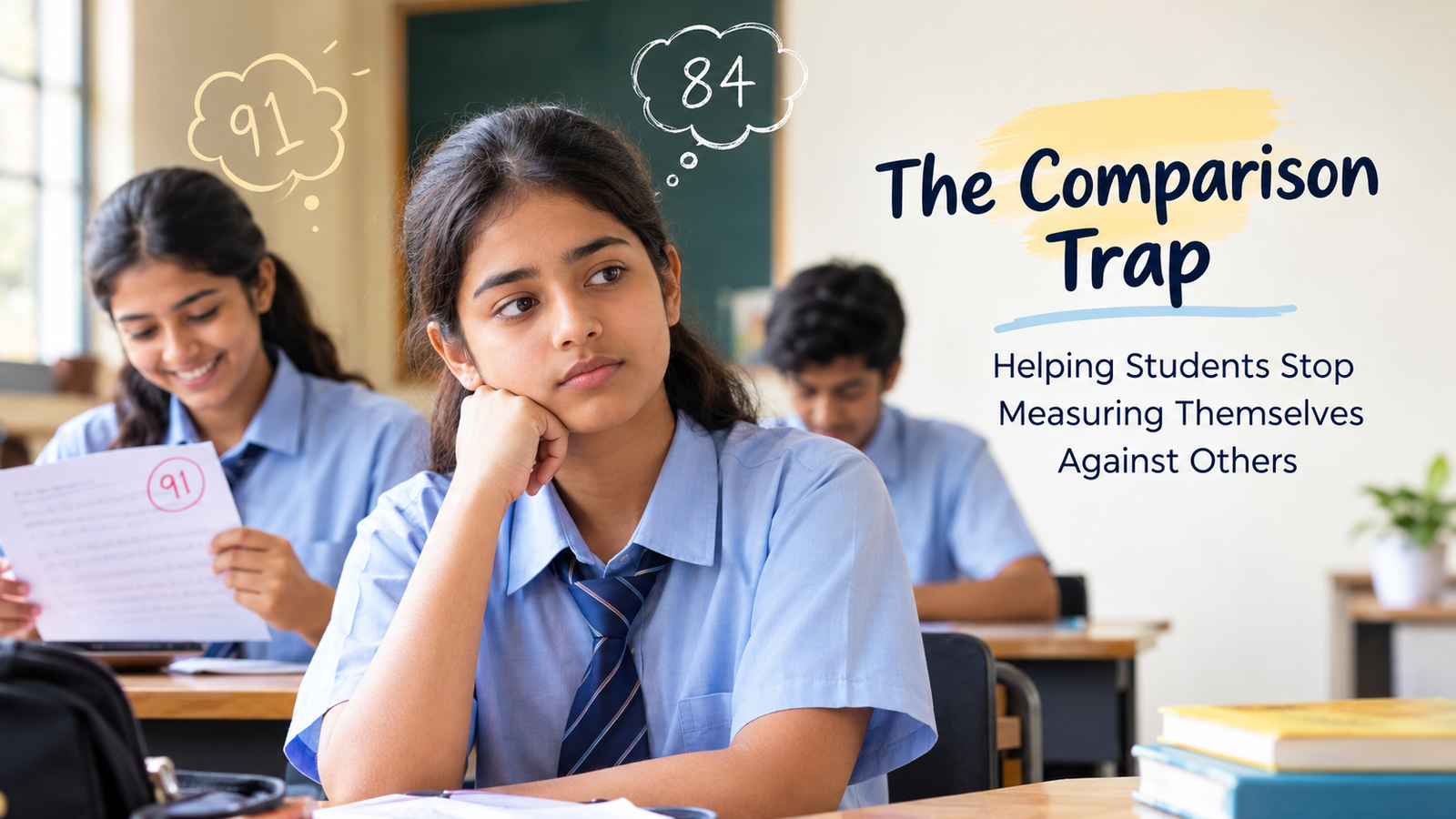
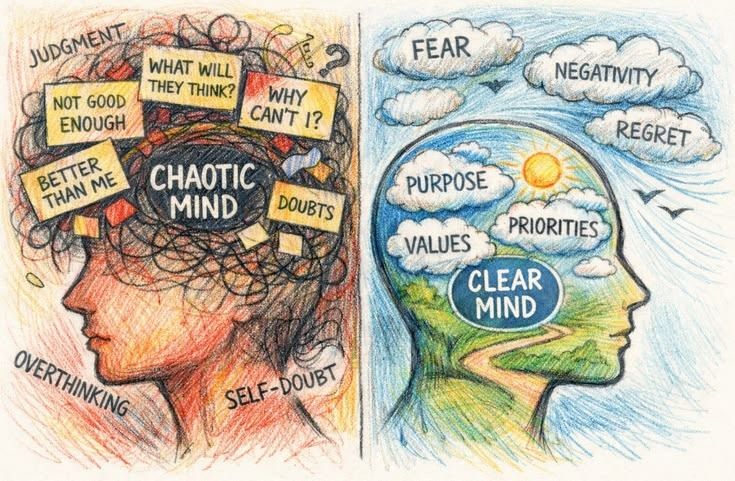
Fear of failing starts early, and it grows. In early 2022, India’s Ministry of Education and NCERT surveyed about 3.79 lakh students in Classes 6 to 12. In that Manodarpan survey, 81% named studies, exams or results as a cause of anxiety. Only 36% said they could often solve a hard task on their own. It was a voluntary online survey, so read it as a snapshot, not a verdict.
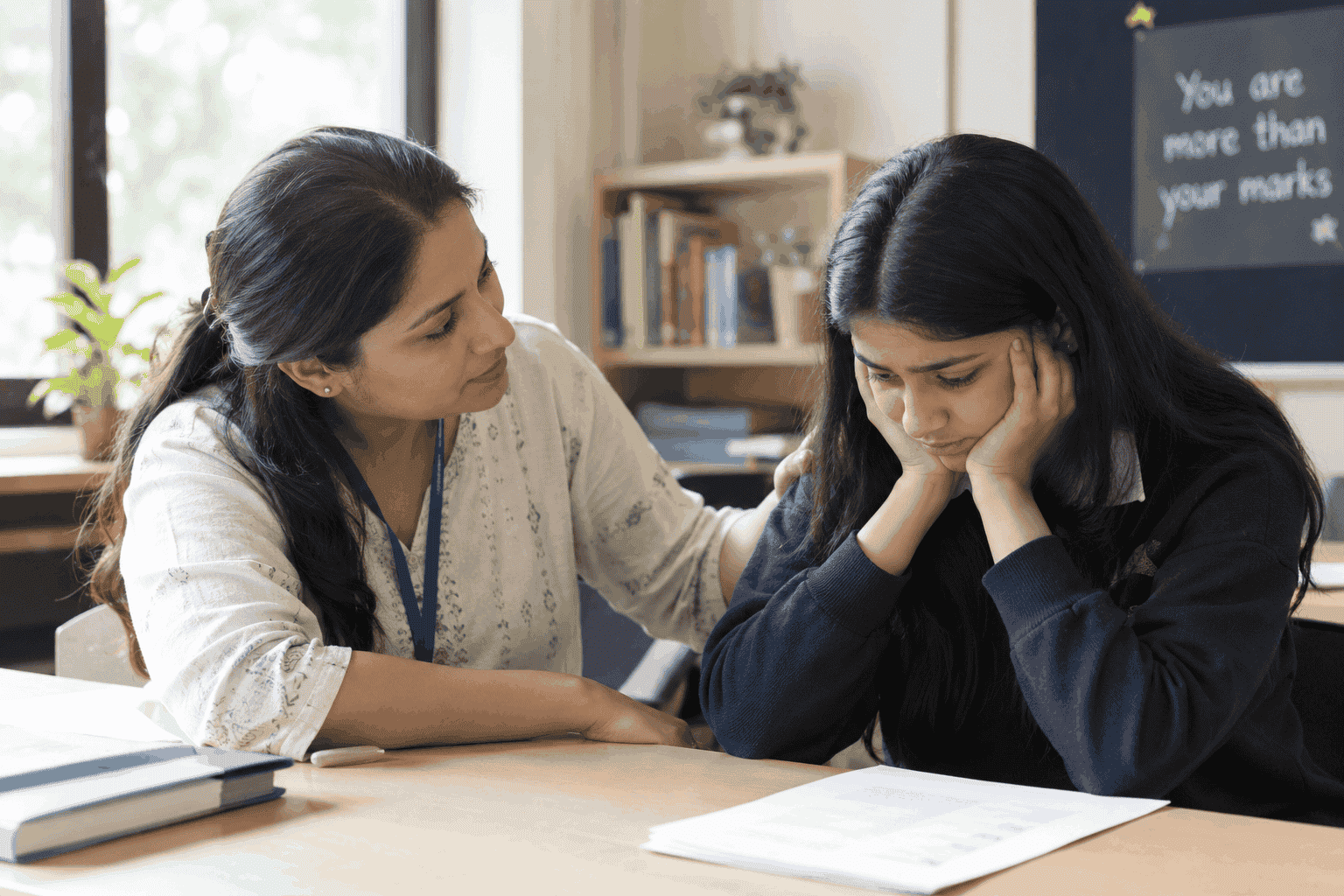
The same report found that the support students asked for most often was help from friends, parents and teachers. That’s you. UNICEF’s advice to parents is to talk through setbacks instead of avoiding them, and to share similar moments from your own life.
A story gives you a gentle way in. Your child isn’t being told off. They’re listening to what happened to someone else, which feels safer. That’s why Mahabharata stories for kids work so well here: the characters fail in ways children recognise.
Mahabharata lessons for children, matched to the moment
Not every failure feels the same. A child who’s scared before a test needs a different story from a child who made a mistake. Use this as a quick guide. The ages are our suggestions, so go by your child, not the number.
| What your child feels | Story | The message in simple words | Suggested age |
|---|---|---|---|
| “I’m scared I’ll fail.” | Arjuna drops his bow | Being scared doesn’t mean you’ve failed. Say it out loud. | 5 and up |
| “They said no to me.” | Eklavya practises alone | You can’t control the answer. You can control your practice. | 7 and up |
| “I messed up, and it cost me.” | Yudhishthira loses the dice game | Own your mistake, then make a plan. | 10 and up |
Story 1: Arjuna drops his bow
Good for the child who is scared before a test or a match.
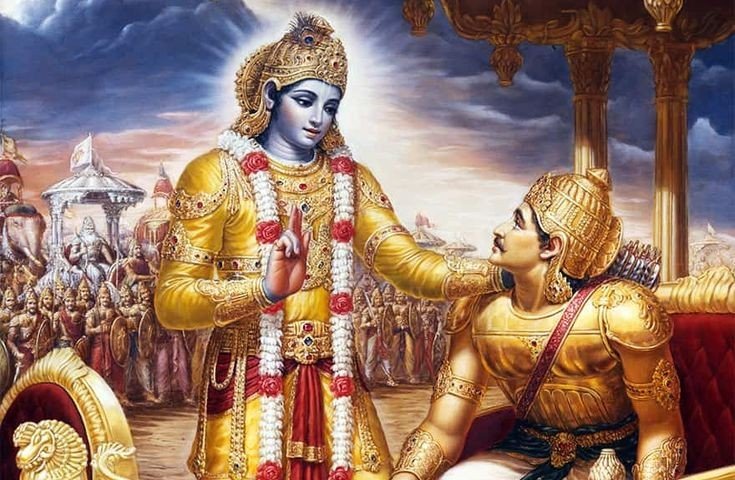
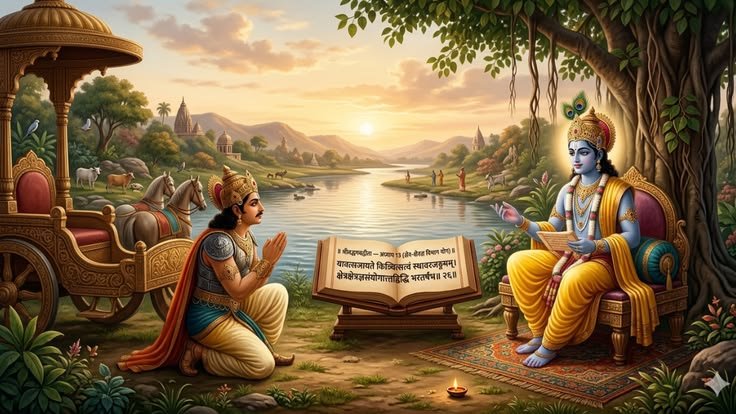
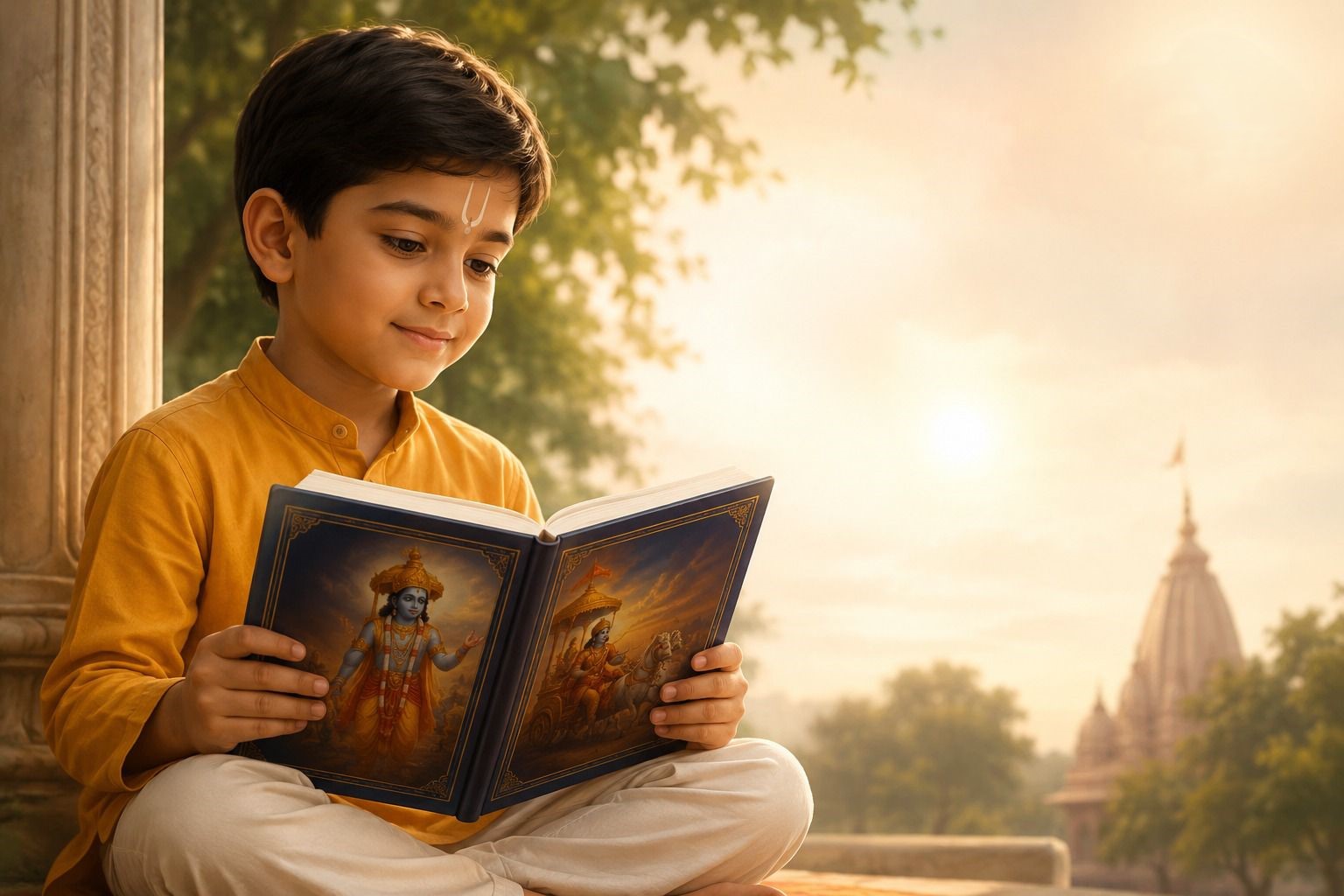
Arjuna was one of the best archers of his time. On the first day of the great war at Kurukshetra, he looked at the two armies and his body began to shake. His mouth went dry. The bow slipped from his hand, and he sat down on his chariot and said he couldn’t go on. This is the start of the Bhagavad Gita, in chapter 1.
His friend Krishna, who was driving the chariot, didn’t laugh. He stayed beside Arjuna and talked with him for a long time. That talk became the Bhagavad Gita.
What to tell your child: “Even a great archer felt like quitting. Feeling scared doesn’t mean you’ve failed. It means this matters to you.”
Then add one line from Krishna. In chapter 2, verse 47, he says, in simple words: do your work well, but don’t hold on to the result. You can’t control which questions come in the paper. You can control how well you prepare. In the next verse he adds: stay steady, when things go well and when they don’t.
One warning for parents. This doesn’t mean “don’t care about marks.” It means one result shouldn’t decide who your child is.
Ask: “Have you ever felt like Arjuna, wanting to put the bow down? What helped you pick it up again?”
Story 2: Eklavya practises alone

Good for the child who was told no, or left out.
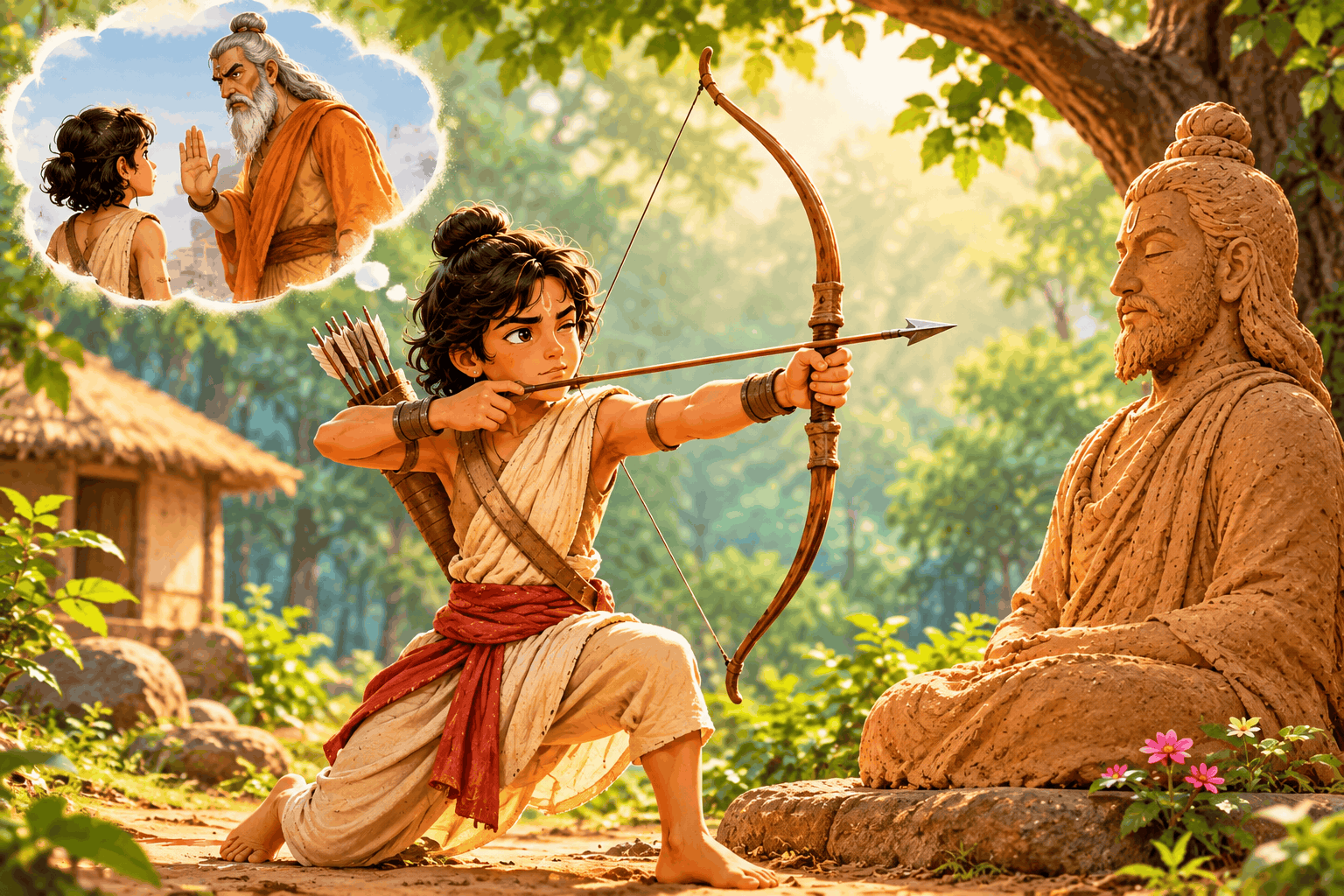
Eklavya was a young prince from a forest tribe. He badly wanted to learn archery from Guru Drona, the most famous teacher in the land. Drona turned him away. Eklavya was hurt. Then he did something brave. He went into the forest, made a clay statue of Drona, and practised in front of it every single day. Slowly he became a very fine archer. You can find this story in the Adi Parva, the first book of the Mahabharata.
What to tell your child: “Some doors close, and that hurts. Eklavya couldn’t change Drona’s answer. He could change how much he practised.”
A note for parents: this story has a sad ending. Drona later asked Eklavya for his right thumb as a teacher’s fee, and Eklavya gave it. For children under about 10, stop at the practice. With older children you can talk about the ending too. It was unfair, and it’s fine to say so. Eklavya’s effort was still real, and people still remember his name.
Ask: “What’s one thing you could practise this week, even if nobody is watching?”
Story 3: Yudhishthira loses the dice game
Good for the child who made a mistake that cost them something.
Not all failure is bad luck. Sometimes we choose badly. Yudhishthira, the eldest Pandava, was honest and wise. Yet he agreed to a game of dice and lost his kingdom. He and his brothers had to live in the forest for 12 years and then stay hidden for a 13th. They used those years to learn and grow stronger, and they came back ready. The dice game is told in the Sabha Parva, the second book.
What to tell your child: “A big mistake isn’t the end. First, say plainly what went wrong. Then make a plan.”
The dice game also includes a cruel insult to Draupadi. For younger children, keep it simple: he took a risk, lost his kingdom, and had to start again.
Ask: “What would you do differently next time? What’s one small step you can take today?”
Five simple steps for the conversation
Stories about failure for kids work best when they’re short and when the child feels heard first. Here’s an order that works at home.
When a story isn’t enough
Stories are a good habit, but they don’t replace help. If your child stays very sad, hopeless or afraid for weeks, or keeps saying they’re no good at anything, talk to a school counsellor or your doctor. The Ministry of Education’s Manodarpan website (manodarpan.education.gov.in) lists counsellors. Tele-MANAS, the Health Ministry’s free helpline, is open 24 hours a day on 14416 or 1800-89-14416, according to the Press Information Bureau.
Your next step
Tonight, pick the story that fits what happened this week. Tell it in three minutes, at dinner or before bed. Ask one question and listen to the answer. That’s all.
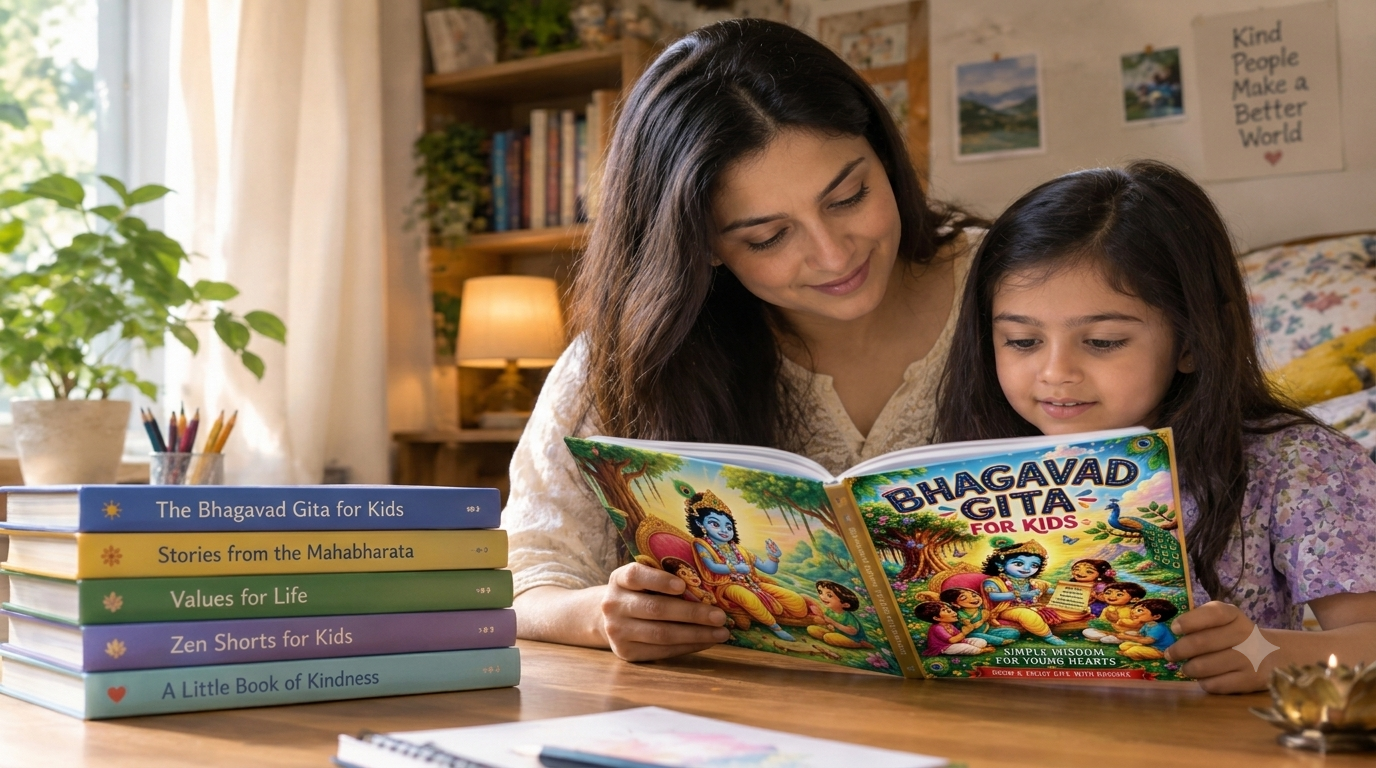
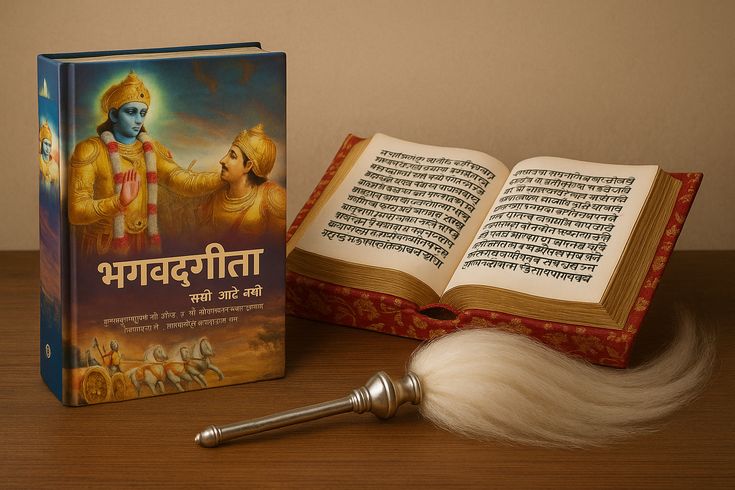
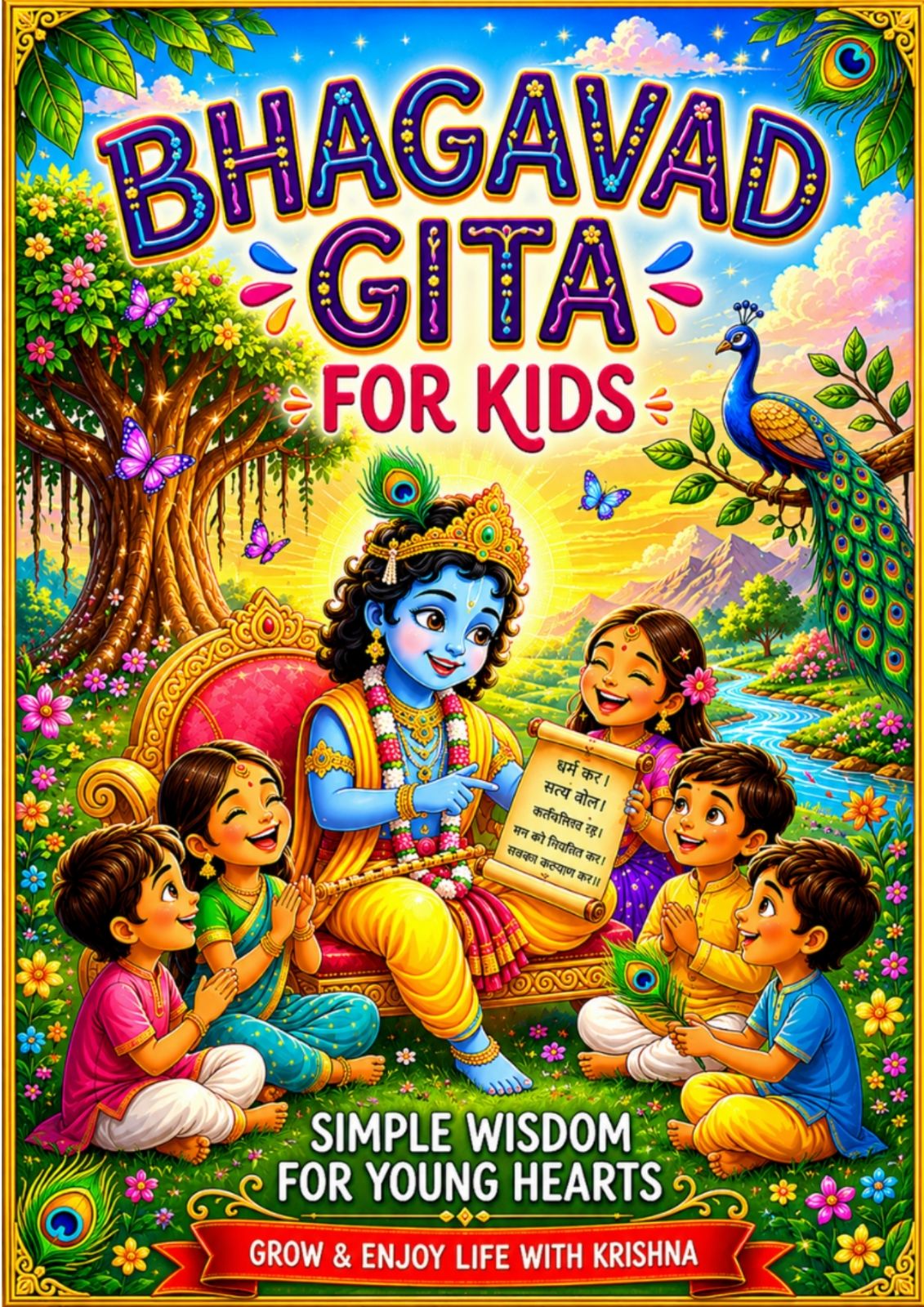
If you’d like the stories ready to read together, our Bhagavad Gita for Kids book brings Krishna and Arjuna’s conversations to children in easy English and Hindi, for ages 4 to 14. Teachers and school leaders can see our student wellness programs or get in touch.









0 Comments